When to Prune Roses in Australia
Winter in the temperate south, lighter and later in the subtropics. How hard to cut, and what to pick up afterwards.
By Ruth Nguyen, Seasonal editor · 15 June 2026 · 6 min read
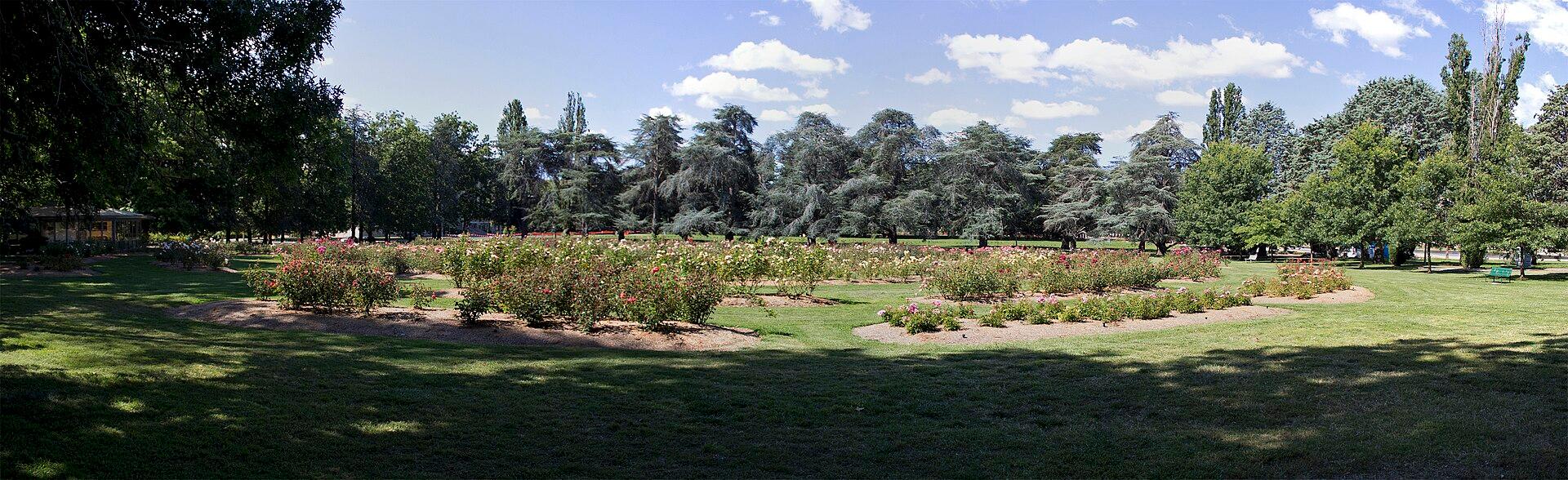
Rose pruning is the Australian winter ritual that people do in a panic in April or skip until the bush is a woody bird’s nest. The date is local. The aim is always the same: an open, young framework that can hold a flush of leaf and flower without mildew in the middle.
The temperate winter cut
In Melbourne, Adelaide, Canberra, Hobart and much of the south-west, prune when the bush is bare or nearly bare — typically July into early August. Too early and a warm spell pushes shoots that frost burns. Too late and you are cutting soft spring growth.
Use sharp bypass secateurs and a folding saw. Cut dead wood first. Cut weak, crossing and inward twigs. Then shorten the remaining canes to a height that suits the type — often 30–50 cm on a hybrid tea, higher on a vigorous shrub. Cut to an outward-facing bud, just above it, on an angle that sheds water.
Remove the leaves you missed and the spotted ones on the ground. That is black spot sanitation, not tidiness.
Subtropical and tropical manners
In Brisbane and the north, roses may never fully sleep. A hard July scalp can sit in humidity and sulk. Prune after a main flush, lighter, more often. Keep the centre open. Accept that “winter” is a rumour.
In the dry tropics, time the cut so the new flush does not coincide with the worst wet if disease has been a problem.
Aftercare
A handful of compost or a rose food as growth starts, not a nitrogen dump on the day of the cut. Water if the winter is dry. Mulch off the stems.
The first aphids will arrive with the first red shoots. Hose them. Do not immediately start a spray calendar unless your climate and varieties demand it.
Climbing roses flower on different wood depending on the variety. If you cut a once-flowering climber as if it were a tea rose, you will remove the show. Look up the plant you have.
Pruning is editing. You are choosing the wood of the next season. Do it on the right month for your frost, with clean tools, and pick up the diseased leaves. The bush will tell you in October whether you were brave enough.
Tools, tetanus and the neighbour’s advice
Sharpen. Disinfectant is useful between a diseased bush and a clean one; it is not a religion between every cut on a healthy plant. Gloves that actually stop thorns are cheaper than a Monday morning at the clinic.
The neighbour who prunes in March “to tidy” is cutting the autumn flush in many climates and inviting a muddle. Smile. Prune on your date.
If you inherited a nameless monster, prune dead and weak first, then take a photo, then shorten the rest as if it were a shrub rose. Next year’s flowers will tell you what you have. You can get more refined the year after.
A note from the desk
Field note: a July prune in Hobart and a light post-flush prune in Brisbane are both “correct”. Copying the other city is not.
Climate, soil and the long view
Australian gardens punish copied calendars. A method that works on a Melbourne clay in November can fail on a Cairns wet-season afternoon or a Perth sand in February. Keep a notebook: soil type, the week the pest arrived, the product and the active, the week the plant recovered. That notebook becomes a local almanac worth more than a national magazine spread. Share it with the next owner. Gardens are longer than our tenancies, and the useful knowledge is almost always local, modest, and written in the same Australian English we use on this desk. If a guest writer can add a climate we missed, the write for us page is open. If we got a fact wrong, use contact. The work is the garden, not the performance of certainty.
Shrubs, climbers and the unnamed bush
Shrub roses sold as “landscape” often want a lighter hand: remove dead and a third of the oldest wood, keep the shape. Climbers that flower on old wood want their long canes kept and side shoots shortened. Ramblers can be a once-after-flower event.
If you do not know the name, prune dead first, take a photograph, shorten the rest modestly, and watch the bloom. Next year you will know whether you removed the show.
In all cases, pick up the leaves. The date of the prune is local. The sanitation is national.
Keeping records, neighbours and the next season
The gardens that improve are the ones that write things down. Note the week a pest arrived, the active you used, the days until the plant looked better, and the soil under your nails — sand, loam or clay. Share the useful notes with a neighbour. A street that treats bindii in winter, nets fruit in spring, and waters deeply on rostered days outperforms any single heroic yard. The Green Doctor is written for that kind of suburb: practical, climate-honest, and willing to say when a plant is in the wrong hole. If your postcode behaves differently, send the desk a correction. We would rather update a guide than leave a reader watering a grub. The long view is a better lawn, a cleaner citrus, a native that lives, and fewer Saturday panic sprays. That view is built in seasons, not in a single product. Keep the secateurs sharp. Keep the mulch off the stems. Keep the questions specific. The rest is weather, which we do not command, and soil, which we can slowly help. Return to the relevant topic hub when the next job appears, and ignore any advice that cannot name an Australian climate. Certainty without a postcode is entertainment. This journal would rather be useful.
One more practical pass
Walk the garden with this guide in mind, not as a scripture. Check the soil with a finger or a probe, name the insect or the symptom, then do the smallest honest job — a deep water, a winter spray, a net, a prune, a mound. Come back in a fortnight and judge the new growth, not yesterday's damaged leaf. That habit, repeated through an Australian year, is worth more than a trolley of tonics and it is how a backyard starts to look looked-after rather than performed.
Questions gardeners ask
When should I prune roses in Australia?
In most temperate districts, July to early August, when the plant is as dormant as it gets. In the subtropics, prune more lightly after a main flowering rather than a hard mid-winter cut.
How hard should I prune?
Hybrid teas: a firm winter cut to outward buds. Shrubs and once-flowering old roses: follow the variety — some only want a tidy. Never leave a stump of dead wood.
Should I seal the cuts?
Clean, angled cuts on healthy wood do not need paint. Sealants are a habit, not a requirement, on ordinary backyard roses.
Want to add a climate the desk missed? Pitch a guest post or send a correction.
Keep reading in seasonal jobs
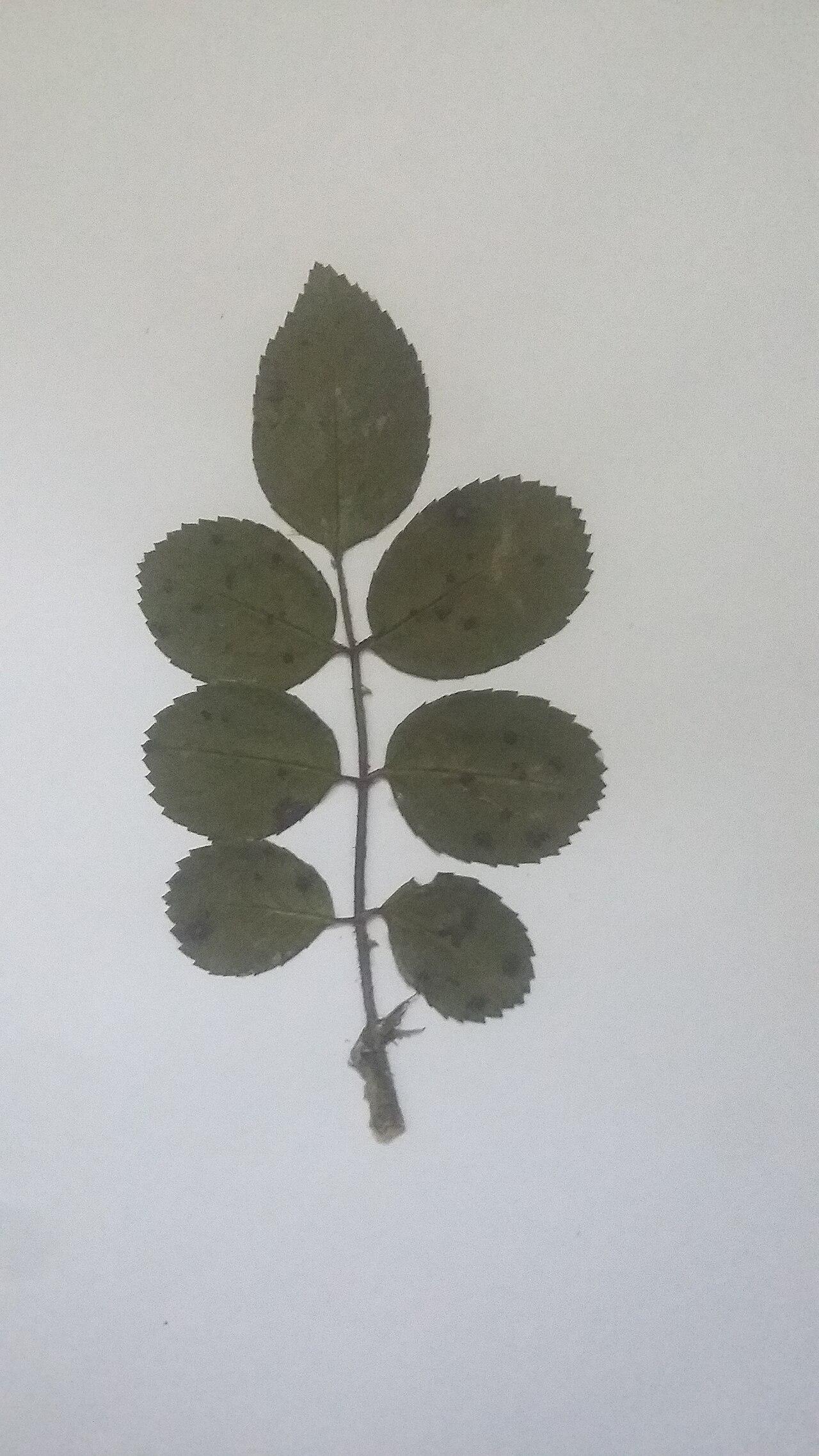
How to Treat Black Spot on Roses
Diplocarpon rosae loves wet Australian springs. Sanitation, spacing and a spray calendar beat a single heroic fungicide Saturday.
Maya Chen · 1 March 2026
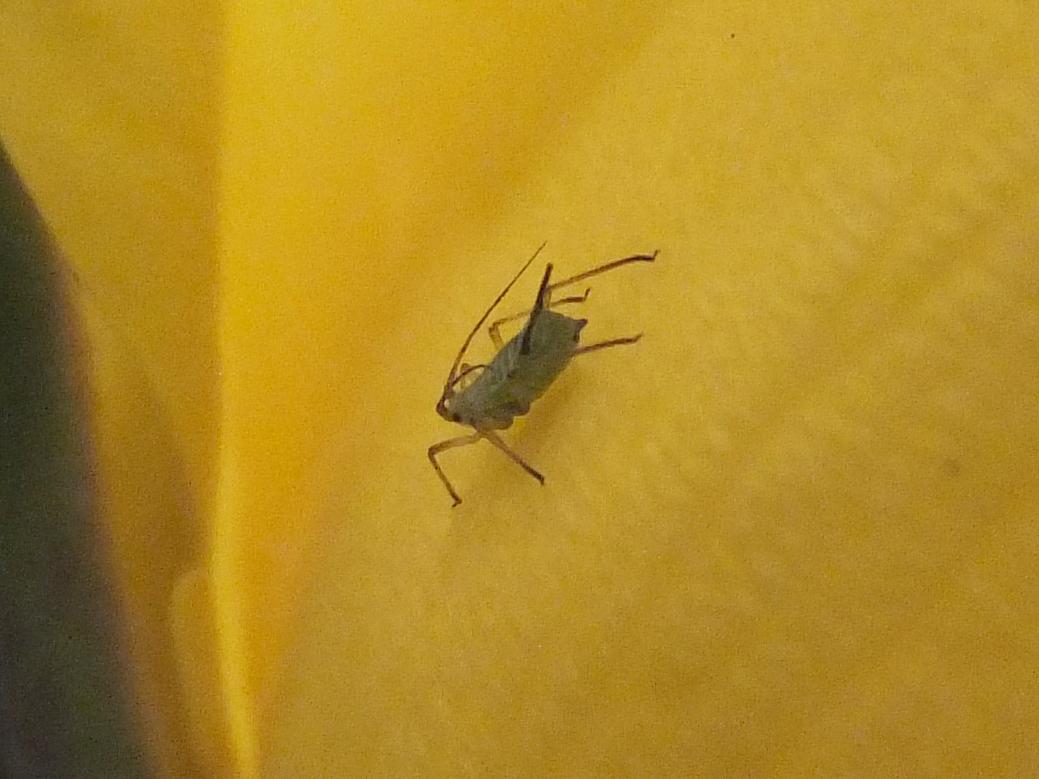
Aphids on Roses: Identification and Control
Rose aphids arrive with the first soft flush. Blast, squash, oil, and keep the ants off — before you reach for a spray that also kills the hoverflies.
Maya Chen · 18 February 2026
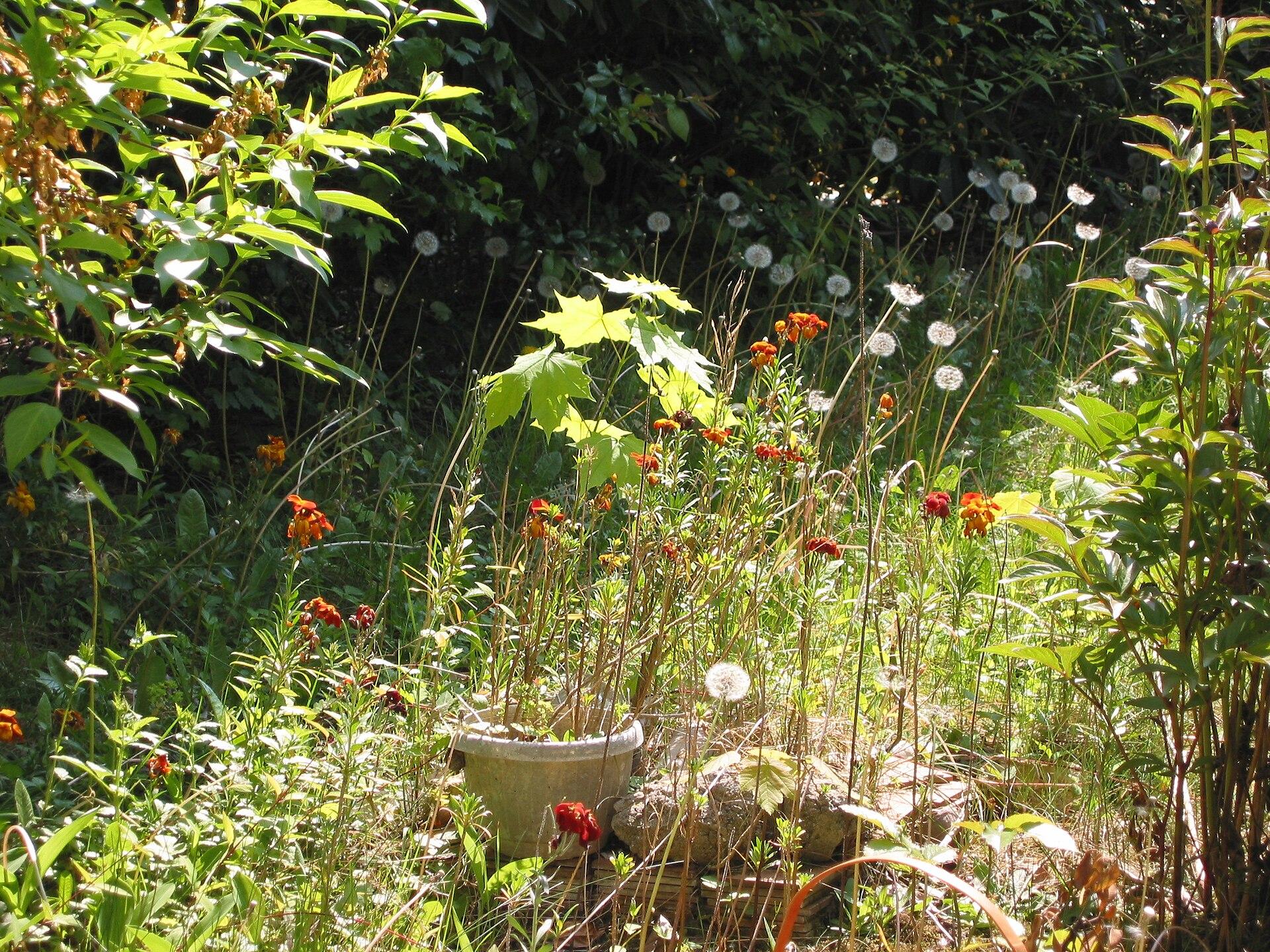
Spring Planting Guide for Australian Gardens
Spring is not one month. Frost dates, soil warmth and the wet-season clock decide what goes in the ground.
Ruth Nguyen · 20 August 2026