Aphids on Roses: Identification and Control
Rose aphids arrive with the first soft flush. Blast, squash, oil, and keep the ants off — before you reach for a spray that also kills the hoverflies.
By Maya Chen, Plant pathologist · 18 February 2026 · 6 min read
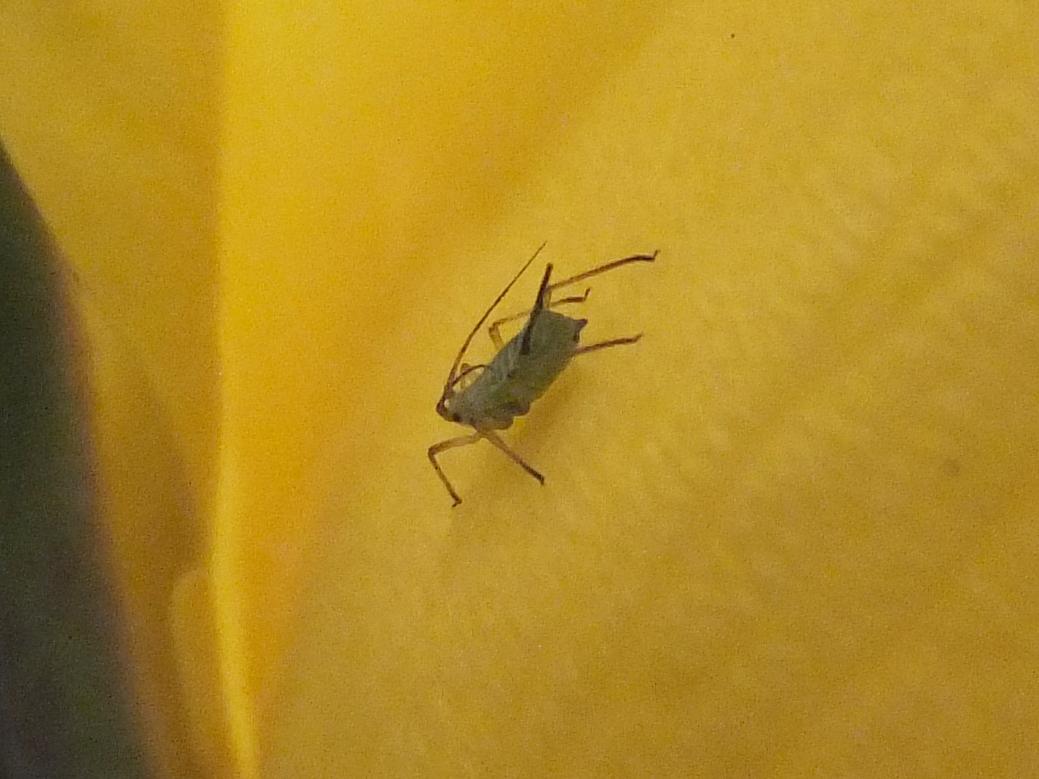
The first warm week after a winter prune brings two things: red shoots and aphids. Macrosiphum rosae, the rose aphid, lines up on buds like commuters. They are green, sometimes pink, always numerous, and they look worse than a healthy bush usually is.
Australian roses also collect other aphids. The principle is the same. Soft sap, crowded tips, ants farming honeydew, and a gardener with a spray that kills the hoverfly larvae already on the job.
Look properly
Aphids prefer the newest growth and the tightest buds. They leave a sticky honeydew that later grows sooty mould. Winged forms appear when the colony is crowded or the plant is going off. If the bud is already brown and rotting, you may also have botrytis — do not blame every failure on aphids.
Predators are there if you have not deleted them: hoverfly larvae (the small legless maggots on the stem), lacewing larvae, ladybirds, and small birds. Count the predators before you count the aphids. A colony that is already being eaten does not need a pyrethroid.
Control that does not start a war
Water. A sharp jet under the buds in the morning knocks aphids off. They are poor at commuting back. Repeat tomorrow. This is the whole treatment on a small bush in a mild year.
Fingers. Squash. It is undignified and effective on a dozen stems.
Soap or oil. Horticultural soap or a light oil, underside and tips, on a cool day. Repeat because eggs and late arrivals exist. Do not oil a drought-wilted rose in a heatwave.
Neem. Useful as a habit, not a miracle. Coverage matters.
Systemic insecticides. They work. They also sit in a flower that bees visit. If you grow roses for cutting and never let them bloom in the garden, the conversation is different. If you have a mixed border, start with water.
Ants on the stems mean the farm is organised. Deal with ants at the soil, not by painting the rose with more poison.
Culture
Roses that are nitrogen-drunk and shaded mildew and aphid together. Feed modestly. Open the centre. Water the soil. A rose in a dank corner against a south fence is an insect hotel.
If the same bush is a wreck every October, consider whether you like that variety enough to nurse it. Some modern shrubs are less of a soap opera than an old hybrid tea in humidity.
Aphids on roses are a spring verb. They are not a character flaw. Hose, squash, watch the hoverflies, and keep the nuclear option on the top shelf. The flush will harden. The colony will crash. The rose, if you did not burn it with detergent, will flower.
When a colony is actually a crisis
If every bud is a solid aphid felt and the flush is twisting, you have waited too long for the hose. Do a thorough soap or oil, then a second pass three days later. Cut the worst buds for the compost if they will never open.
If the same bush is this bad every year, look at the nitrogen, the shade, and the ants. A rose that is force-fed and farmed by ants is an aphid ranch.
Do not use a residual systemic “just in case” in winter. There is nothing to case. Save chemistry for a year the predators lose, not for a calendar fear.
The rest of the rose year — black spot, rust, the summer sulk — is other essays. Aphids are a spring verb. Treat them like one.
A note from the desk
Field note: hoverfly larvae look like small, ugly maggots. Learn them. They are the point of not spraying.
Climate, soil and the long view
Australian gardens punish copied calendars. A method that works on a Melbourne clay in November can fail on a Cairns wet-season afternoon or a Perth sand in February. Keep a notebook: soil type, the week the pest arrived, the product and the active, the week the plant recovered. That notebook becomes a local almanac worth more than a national magazine spread. Share it with the next owner. Gardens are longer than our tenancies, and the useful knowledge is almost always local, modest, and written in the same Australian English we use on this desk. If a guest writer can add a climate we missed, the write for us page is open. If we got a fact wrong, use contact. The work is the garden, not the performance of certainty.
A month on the rose flush
Day one of the red shoots: walk with a hose. Day three: look for hoverfly eggs, tiny white commas near the colony. Day five: if the buds are still felted, soap or oil on a cool morning. Day eight: repeat only where colonies persist. Day fourteen: the flush has usually hardened and the crisis has passed or become a spray decision.
Keep a jar of water and a cloth by the back door in September. The barrier to control is never knowledge. It is walking past the bush because you are carrying shopping.
If you cut roses for the house, inspect the buds. Bringing aphids indoors is how a partner learns horticulture the hard way. A quick rinse in the garden sink is manners.
Varieties with very tight hybrid-tea buds show distortion more than open shrubs. That is not a reason to spray the whole border. Treat the teas. Leave the rugosas to the birds.
In a humid Brisbane spring the flush is faster and so is the colony. Hose more often. In a dry Adelaide spring the colony may stay smaller and the oil may burn if the day warms suddenly. Read the afternoon forecast, not only the label’s romance.
Mistakes that make next October worse
Spraying a pyrethroid “to be safe” deletes the hoverflies and guarantees a rebound. Feeding a weak tea rose with a high-nitrogen lawn food the week the aphids arrive grows softer snacks. Planting the rose against a south fence in shade grows the hotel.
Write the date the first colony appeared. Next year you will start the hose a week earlier. That is integrated pest management without the brochure.
Questions gardeners ask
How do I get rid of aphids on roses?
A hard hose blast, finger-squashing on buds, and a horticultural oil or soap on heavy colonies. Repeat every few days while the flush is soft.
Are aphids bad for roses?
They distort buds and spread viruses. A light spring colony on a strong bush is often eaten by lacewings. A smothered tight bud will not open cleanly.
Does soapy water work?
A true insecticidal soap or a very mild dish-soap mix can work if rinsed and not used in heat. Strong household detergents burn leaves.
Want to add a climate the desk missed? Pitch a guest post or send a correction.
Keep reading in plant health
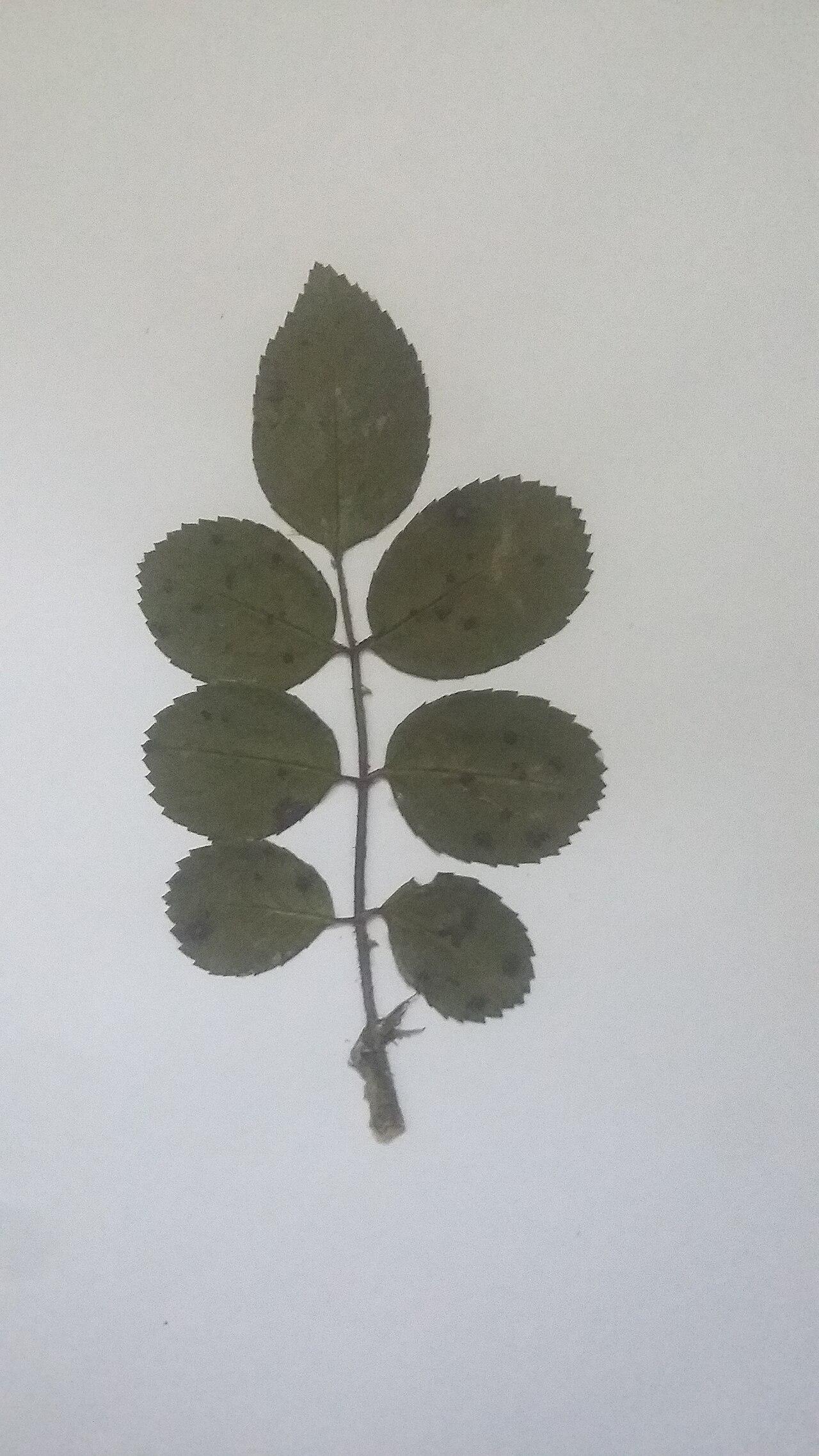
How to Treat Black Spot on Roses
Diplocarpon rosae loves wet Australian springs. Sanitation, spacing and a spray calendar beat a single heroic fungicide Saturday.
Maya Chen · 1 March 2026
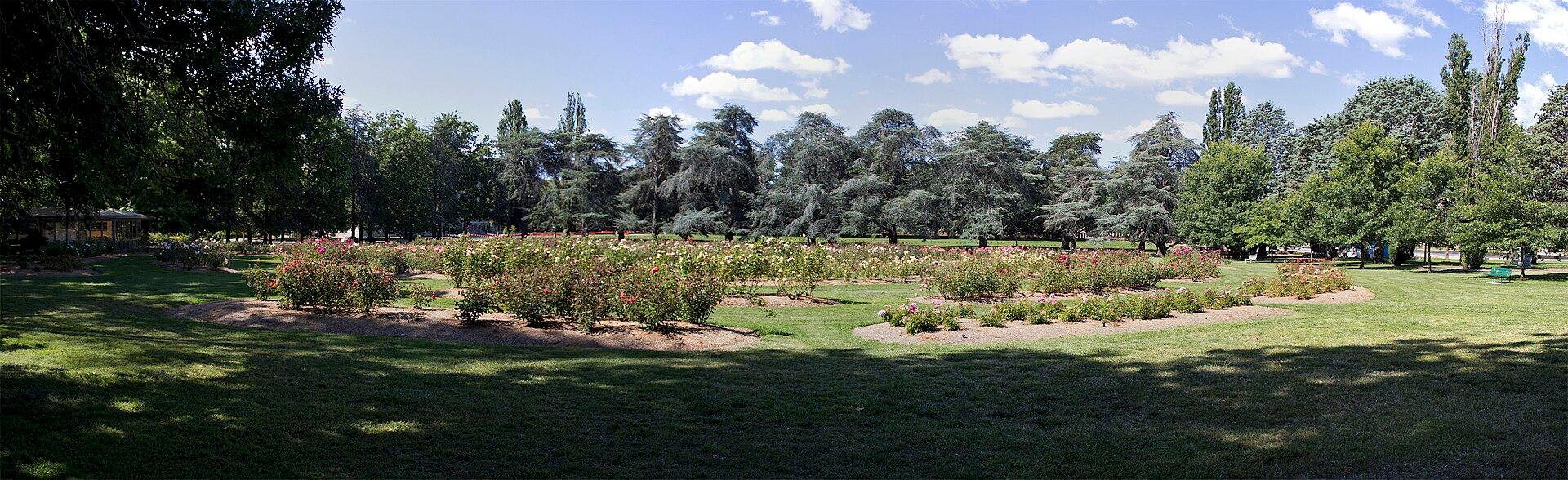
When to Prune Roses in Australia
Winter in the temperate south, lighter and later in the subtropics. How hard to cut, and what to pick up afterwards.
Ruth Nguyen · 15 June 2026
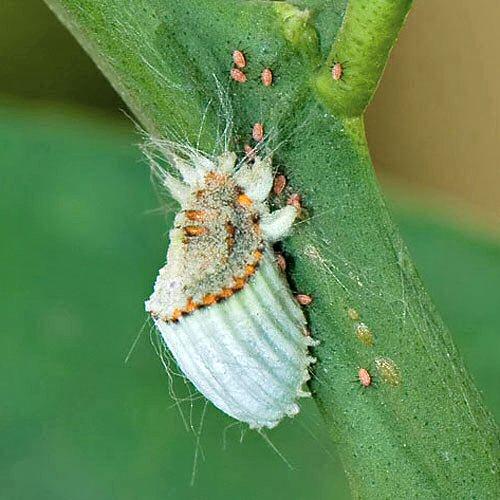
Scale Insects on Citrus Trees in Australia
Red scale, soft scale and sooty mould turn a lemon into a sticky mess. Learn how to identify scale and treat it without stripping the tree.
Maya Chen · 15 January 2026