Scale Insects on Citrus Trees in Australia
Red scale, soft scale and sooty mould turn a lemon into a sticky mess. Learn how to identify scale and treat it without stripping the tree.
By Maya Chen, Plant pathologist · 15 January 2026 · 6 min read
A citrus tree that looks tired, sticky and charcoal-dusted is usually not hungry. It is hosting scale. The black is sooty mould growing on honeydew. The yellow leaf is a tree that cannot breathe or photosynthesise through a film of fungus and insect waste. People buy citrus food. The scale celebrates.
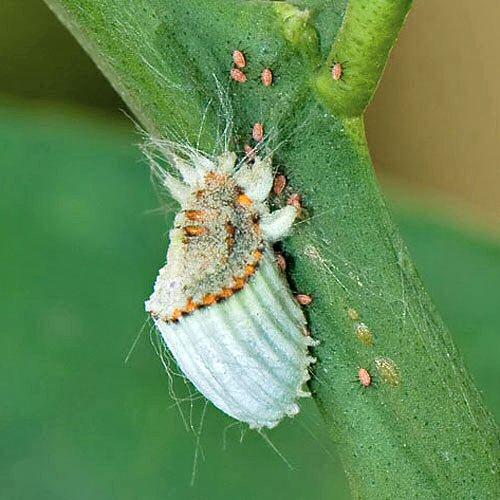
Australian home lemons collect several scales: red scale (Aonidiella aurantii), various soft scales, and sometimes cottony cushion scale (Icerya purchasi), the fluted white horror in the photograph that still turns up in gardens. Ants farm the honeydew producers and fight the ladybirds you were counting on.
Identify the insect
Armoured scales look like tiny, firmly glued discs. They do not produce much honeydew. Red scale is a classic on fruit and stems. Soft scales are fatter, bumpier, and the honeydew factory. Cottony cushion scale looks like a white egg-sack glued to a branch.
Flip a leaf. Use glasses. If you see movement of tiny crawlers, you have a window for oil. If you only see old armour, you may be looking at last year’s shells.
Sooty mould is a consequence. It does not invade the leaf. It sits on it. When the honeydew stops, weather and time remove it. You can gently wash a small tree. You cannot hose a mature lemon to fashion-magazine gloss in an afternoon.
Treatment without theatre
- Prune dead wood and the worst interior twigs. Open the canopy. Bin the prunings; do not compost a scale hotel in a cold heap.
- Manage ants. A sticky band on the trunk, and bait stations away from the trunk, stop the farm. If ants keep running the tree, oil is a temporary story.
- Spray horticultural oil (the modern “white oil” products) to the point of drip, undersides included, on a cool, overcast morning. Not in a 35 °C afternoon. Not when the tree is drought-stressed. Repeat as the label says, timed to crawlers.
- Use a labelled insecticide only if oil and sanitation fail, especially on red scale. Follow the withholding period if you eat the fruit. Do not reach for a garden “kill everything” pyrethroid as a first move; you will gift yourself a mite flare.
- Feed and water the tree properly after the insects are in retreat. A starved citrus yellows and is blamed for “scale” when both are true. See growing citrus.
Vedalia ladybirds famously control cottony cushion scale. Broad-spectrum sprays delete your allies. If you see the beetles, put the bottle down and let them work.
What not to do
Do not strip every leaf. Do not paint the trunk with used engine oil. Do not assume yellow fruit is ripe when it is just stressed. Do not plant a second lemon a metre away “for company”.
Scale is a coverage problem and a patience problem. One Saturday spray that misses the underside of 40 per cent of the canopy is a motivational event, not a treatment. Write a two- or three-pass plan. Wash your hands of sooty mould as a primary diagnosis. It is a headline. The insect is the story.
A three-pass month
Week one: prune dead wood, band the trunk, wash what you can reach, first oil on a cool morning. Week two: check crawlers with a hand lens or a phone camera. Week three: second oil, and only then decide if a harder product is justified.
Eat the fruit that is clean. Respect withholding if you used an insecticide. Wash what you pick; sooty mould is food-safe dirt, not a poison, but it is still dirt.
A tree that is treated like this once or twice a year stays a tree. A tree that is ignored until it is black, then stripped of leaves in a rage, stays a problem. Scale is patient. So is oil, if you are.
A note from the desk
Field note: ants in a citrus are a management problem. The scale is the livestock. Remove the farmer.
Climate, soil and the long view
Australian gardens punish copied calendars. A method that works on a Melbourne clay in November can fail on a Cairns wet-season afternoon or a Perth sand in February. Keep a notebook: soil type, the week the pest arrived, the product and the active, the week the plant recovered. That notebook becomes a local almanac worth more than a national magazine spread. Share it with the next owner. Gardens are longer than our tenancies, and the useful knowledge is almost always local, modest, and written in the same Australian English we use on this desk. If a guest writer can add a climate we missed, the write for us page is open. If we got a fact wrong, use contact. The work is the garden, not the performance of certainty.
Fruit, withholding and the kitchen
If you used only oil, wash the fruit and eat. If you used a harder insecticide, the label’s withholding period is the law of the kitchen. Write the spray date on the calendar.
Sooty mould on a lemon you are about to zest will come off with persistence. It is not a reason to dump the crop.
A tree that is sticky every year in the same month is a calendar pest. Oil that month, every year, before the black headline. That is cheaper than a new tree.
Keeping records, neighbours and the next season
The gardens that improve are the ones that write things down. Note the week a pest arrived, the active you used, the days until the plant looked better, and the soil under your nails — sand, loam or clay. Share the useful notes with a neighbour. A street that treats bindii in winter, nets fruit in spring, and waters deeply on rostered days outperforms any single heroic yard. The Green Doctor is written for that kind of suburb: practical, climate-honest, and willing to say when a plant is in the wrong hole. If your postcode behaves differently, send the desk a correction. We would rather update a guide than leave a reader watering a grub. The long view is a better lawn, a cleaner citrus, a native that lives, and fewer Saturday panic sprays. That view is built in seasons, not in a single product. Keep the secateurs sharp. Keep the mulch off the stems. Keep the questions specific. The rest is weather, which we do not command, and soil, which we can slowly help. Return to the relevant topic hub when the next job appears, and ignore any advice that cannot name an Australian climate. Certainty without a postcode is entertainment. This journal would rather be useful.
Questions gardeners ask
What is the black stuff on my lemon tree?
Sooty mould. It grows on honeydew from scale, aphids or whitefly. Clean the insect and rain will slowly clean the mould.
Does white oil kill scale?
Horticultural oil smothers many crawlers and soft scales if coverage is thorough and repeats are timed to the crawler stage. Armoured red scale is harder and may need a labelled insecticide.
Can I wash scale off?
A cloth and soapy water help on a small pot tree. On a 3 m lemon you need oil, pruning of dead wood, and ants managed so they stop farming the scale.
Want to add a climate the desk missed? Pitch a guest post or send a correction.
Keep reading in plant health
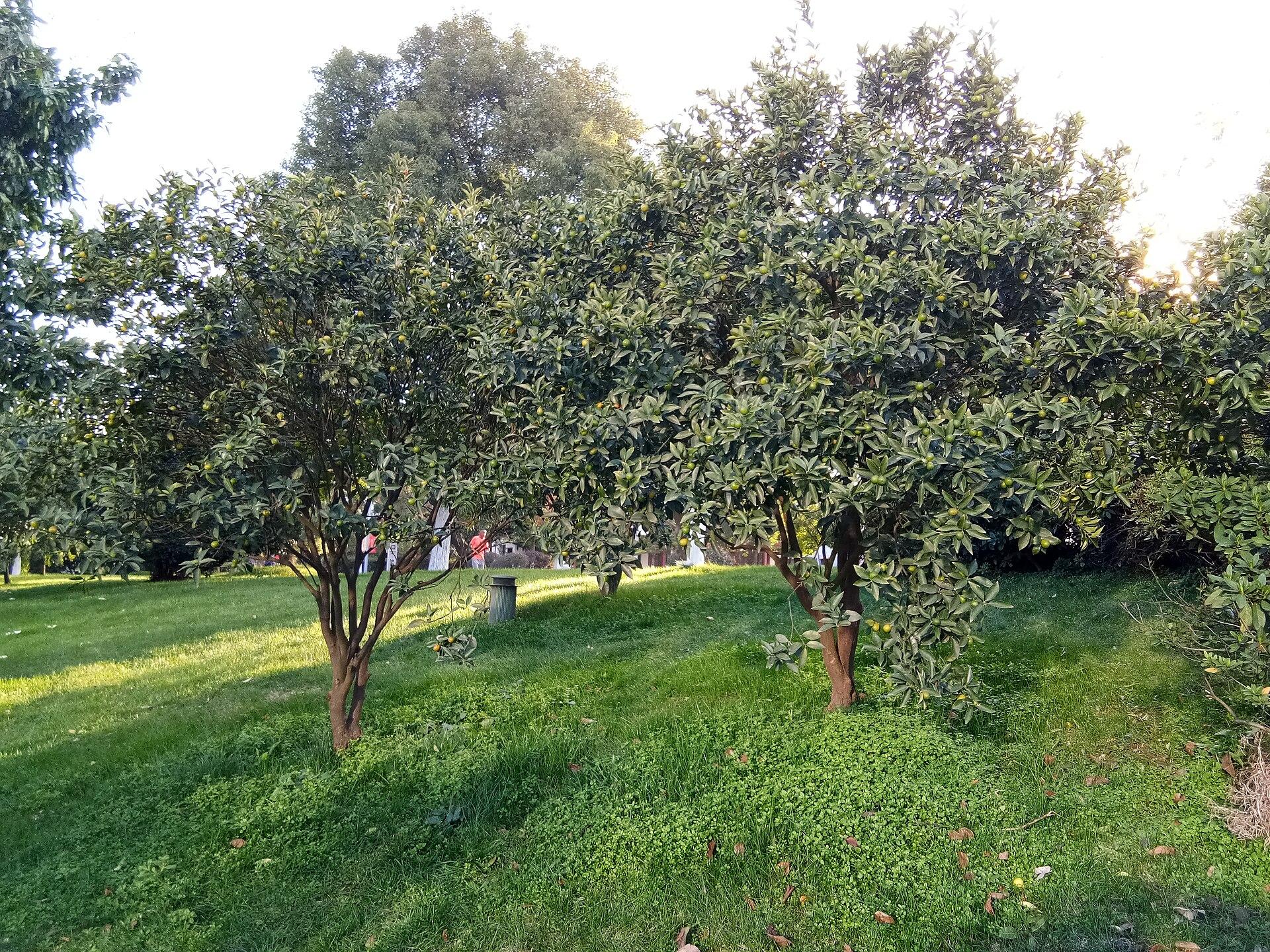
How to Grow Citrus in Australian Gardens
Sun, drainage, even water and a watch for scale. Lemons are not a pot on a south balcony by default.
James Okonkwo · 14 February 2026
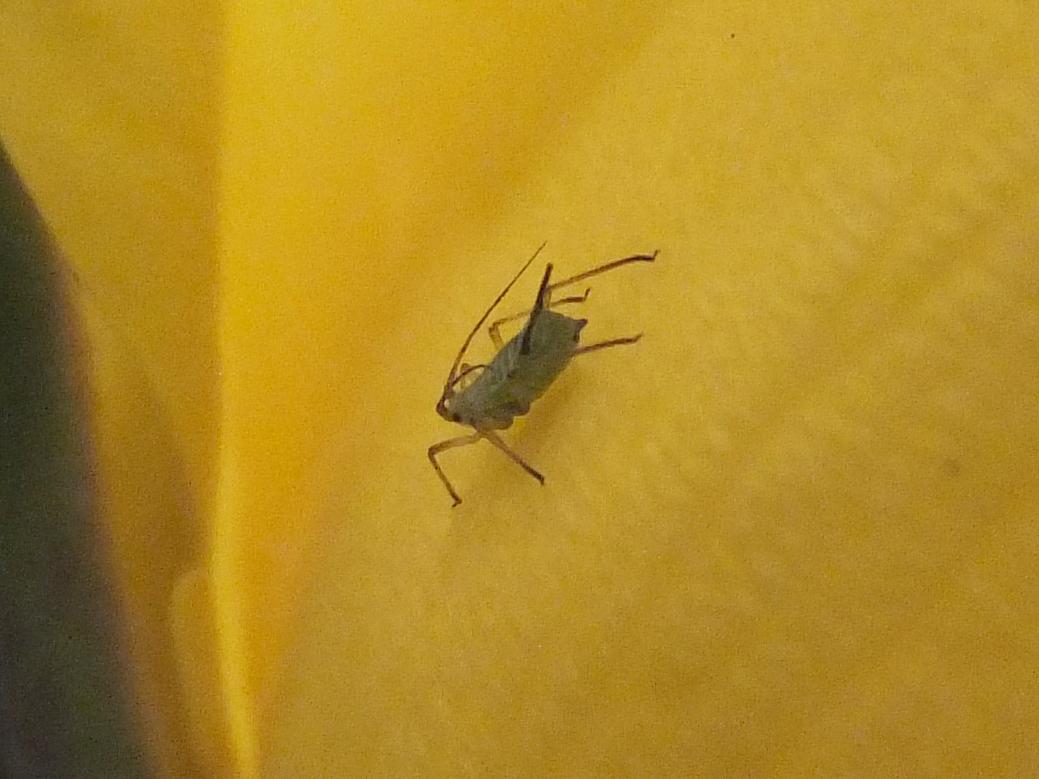
Aphids on Roses: Identification and Control
Rose aphids arrive with the first soft flush. Blast, squash, oil, and keep the ants off — before you reach for a spray that also kills the hoverflies.
Maya Chen · 18 February 2026
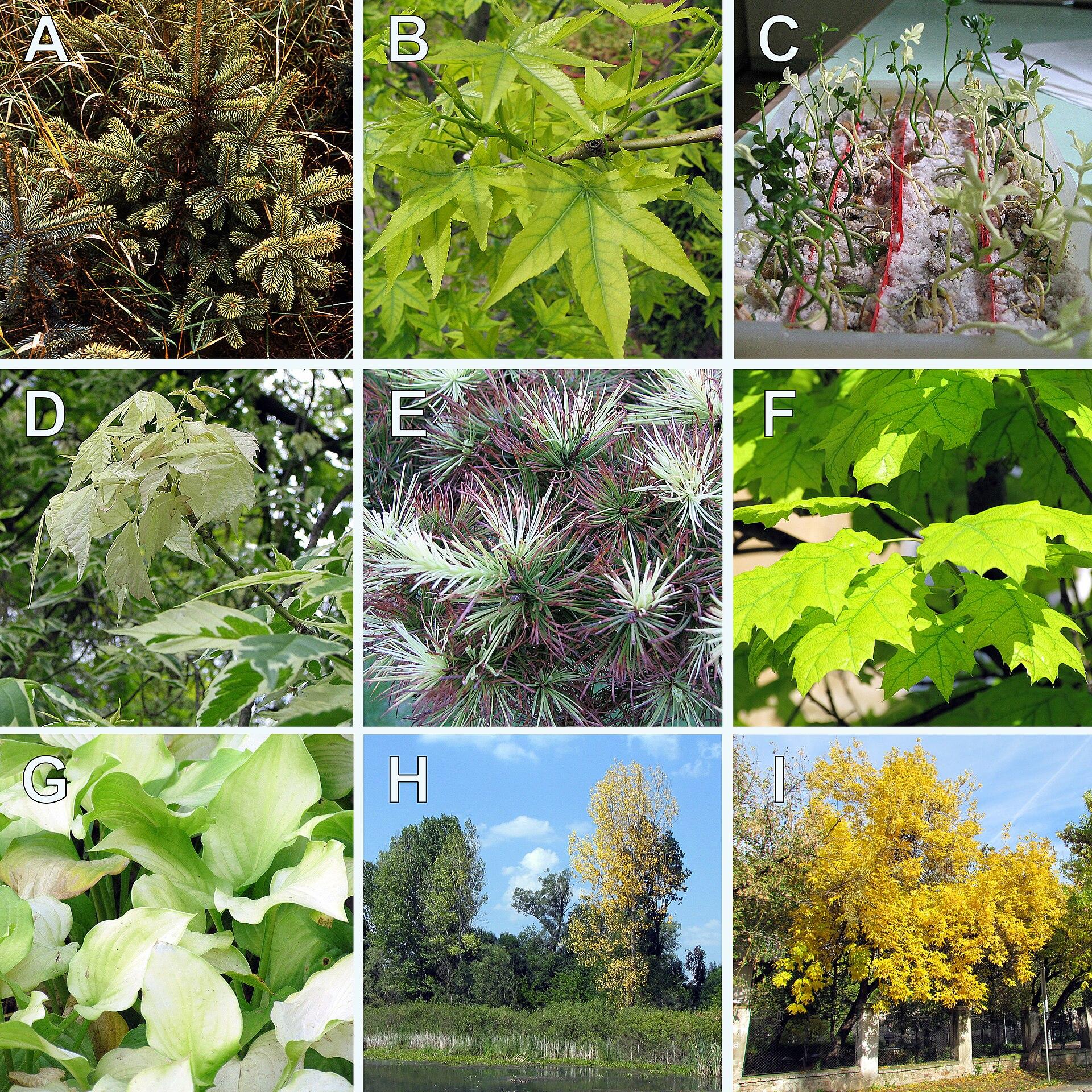
Yellow Leaves on Garden Plants: Causes and Fixes
Chlorosis is a clue. Learn to tell nitrogen hunger from iron lock-up, overwatering and salt, then fix the cause instead of drowning the plant in tonic.
Maya Chen · 5 February 2026