How to Treat Black Spot on Roses
Diplocarpon rosae loves wet Australian springs. Sanitation, spacing and a spray calendar beat a single heroic fungicide Saturday.
By Maya Chen, Plant pathologist · 1 March 2026 · 6 min read
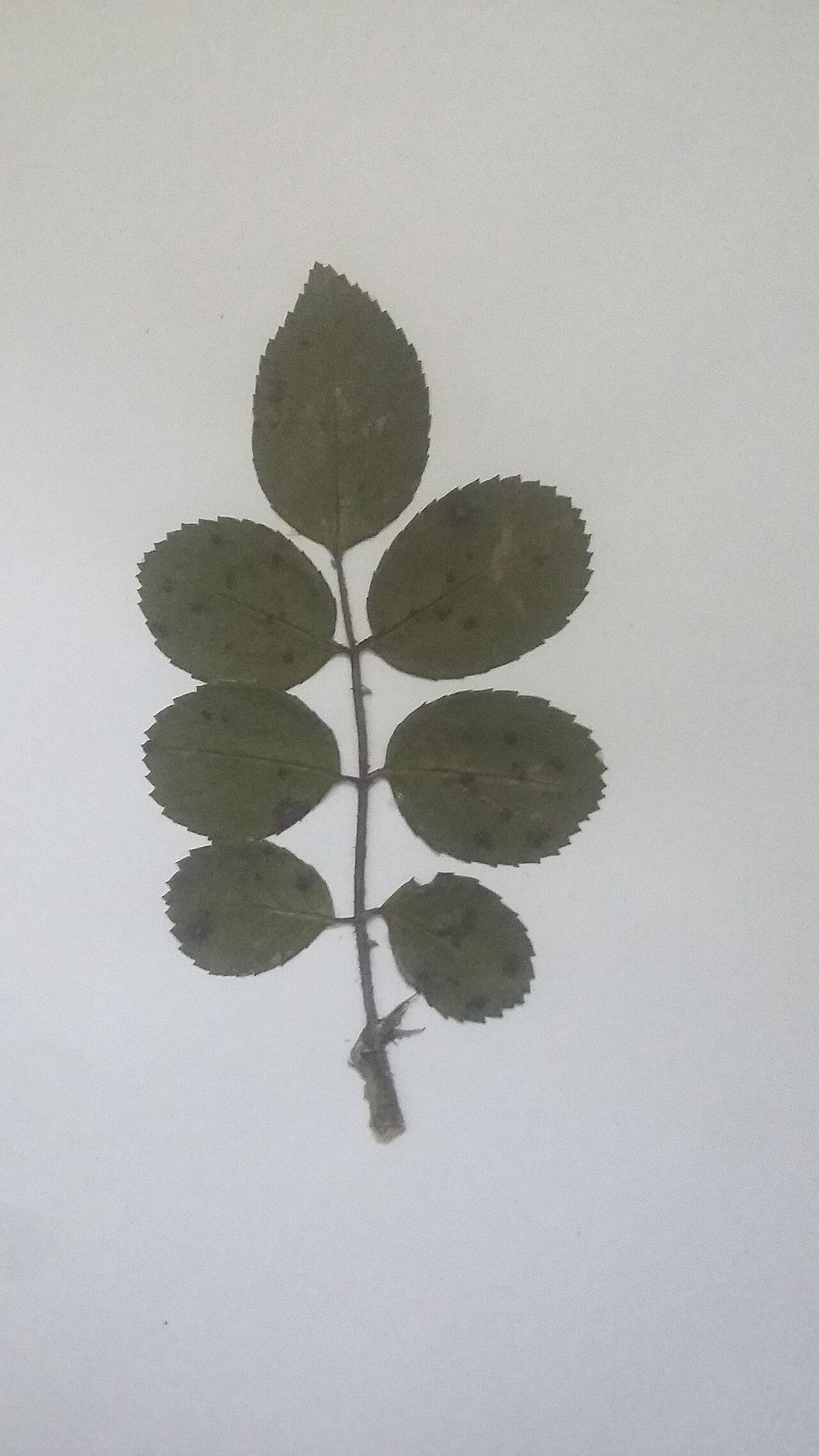
Black spot is the rose disease Australian gardeners can diagnose from the footpath: circular black lesions, yellow halos, then a yellow leaf on the ground. The fungus is Diplocarpon rosae. It overwinters on fallen leaves and on the cane. It germinates when the leaf stays wet. Our spring rain and our habit of evening irrigation write it into the calendar.
It is not powdery mildew. Mildew is a white dust on dryish days. Black spot is a wet-leaf disease. Treatments overlap only in the sense that a well-spaced, well-pruned bush gets less of everything.
Sanitation is not optional
In winter, as you prune, pick up every spotted leaf. Bin them if your compost is a cold heap. Cut out the worst canes. A mulch refresh after clean-up stops last year’s spores splashing up.
During the season, pick obviously diseased leaves on a dry day. Do not make a career of it; a stressed bush also needs leaf area. Do not water from a sprinkler that hits the foliage every dusk.
Culture
Plant roses where morning sun dries the leaf. Leave a person-width between bushes. Do not crowd a tea rose against a south wall in Brisbane and then buy a third fungicide.
Drip or soaker watering. Mulch. Modest nitrogen. A lawn sprinkler that also waters the rose border is a black-spot machine.
If you live in a dry inland summer, black spot may be a brief spring nuisance. If you live on the humid coast, it is a programme.
Sprays
Protectant fungicides work before infection, not as a moral lecture after the bush is bald. Copper and some older products have a place in a winter clean-up. Modern rose fungicides — various actives sold for black spot and mildew — need rotation and label literacy.
Spray to cover, including the lower canopy, on a still morning. Repeat through the wet weather as directed. One spray after the bush has already dropped half its leaves is grief management.
Bicarbonate and milk are more honest against powdery mildew than against established black spot. Do not pretend a kitchen mix is a protectant programme in a wet October.
Variety is a treatment
If you want a rose hedge that does not eat your Saturdays, buy for health. Ask a local society which shrubs still hold leaf in your suburb. Exhibition growers accept the spray calendar as the price of a perfect bloom. Both positions are fine. Lying to yourself is not.
A rose that is defoliated by Christmas will not store the reserves it needs. Feed after it re-leaves, not while it is dropping. Keep aphids in perspective; they are a different job.
Black spot is weather plus variety plus sanitation. You can change two of those. The third you can only watch, then spray when the leaf will be wet for days. That is the treatment: boring, seasonal, and kinder than ripping out a bush because March looked ugly.
A wet-spring programme
Winter: prune, bin leaves, refresh mulch. First red leaf: a protectant if your climate is a known black-spot factory. After each long wet spell: inspect the lower canopy. Remove the worst. Respray if you are on a programme.
If you refuse sprays, choose shrubs that hold leaf, give them sun and drip water, and accept spots. That is a coherent position. An old exhibition tea in a wet Sydney side bed with no spray and a broken heart is not a position. It is a loop.
Keep the lawn sprinkler off the border. That single change has saved more roses than a new copper bottle.
A note from the desk
Field note: a rugosa by the gate that never spots is information. Plant more of that temperament.
Climate, soil and the long view
Australian gardens punish copied calendars. A method that works on a Melbourne clay in November can fail on a Cairns wet-season afternoon or a Perth sand in February. Keep a notebook: soil type, the week the pest arrived, the product and the active, the week the plant recovered. That notebook becomes a local almanac worth more than a national magazine spread. Share it with the next owner. Gardens are longer than our tenancies, and the useful knowledge is almost always local, modest, and written in the same Australian English we use on this desk. If a guest writer can add a climate we missed, the write for us page is open. If we got a fact wrong, use contact. The work is the garden, not the performance of certainty.
Regional honesty
A wet spring in the Dandenongs is a black-spot factory. A dry inland spring may give you one ugly fortnight and then hard leaf. Do not copy a spray calendar from a different rainfall.
If you exhibit roses, you already know the programme and you are not reading this for permission. If you want a shrub by the letterbox that holds leaf, spend the money on breeding, sun and drip, not on a third active.
Copper in winter has a place as a clean-up. Copper in high summer on a stressed bush has a place in the regrettable chapter. Read the temperature.
After defoliation
A bush that is bald in December is not dead. Keep it watered at the root. A light feed when it re-leaves. Do not pile more mulch against the canes. Next winter, prune with sanitation in mind and consider whether that variety belongs in that hole.
Some people replace a spotted tea with another tea and repeat the grief. Replace it with a shrub that the local rose society names as healthy. Grief is optional.
Keeping records, neighbours and the next season
The gardens that improve are the ones that write things down. Note the week a pest arrived, the active you used, the days until the plant looked better, and the soil under your nails — sand, loam or clay. Share the useful notes with a neighbour. A street that treats bindii in winter, nets fruit in spring, and waters deeply on rostered days outperforms any single heroic yard. The Green Doctor is written for that kind of suburb: practical, climate-honest, and willing to say when a plant is in the wrong hole. If your postcode behaves differently, send the desk a correction. We would rather update a guide than leave a reader watering a grub. The long view is a better lawn, a cleaner citrus, a native that lives, and fewer Saturday panic sprays. That view is built in seasons, not in a single product. Keep the secateurs sharp. Keep the mulch off the stems. Keep the questions specific. The rest is weather, which we do not command, and soil, which we can slowly help. Return to the relevant topic hub when the next job appears, and ignore any advice that cannot name an Australian climate. Certainty without a postcode is entertainment. This journal would rather be useful.
Questions gardeners ask
What causes black spot on roses?
The fungus Diplocarpon rosae. It needs wet leaves. Splashing rain and overhead watering spread spores from old leaves to new.
Can black spot kill a rose?
It can defoliate a bush and weaken it over seasons. One ugly spring is recoverable. A rose that is bald every year in a wet corner is in the wrong place.
Is there a resistant rose?
Yes, some modern shrubs and many rugosas shrug. Old exhibition hybrid teas in humid Sydney are a hobby, not a low-maintenance hedge.
Want to add a climate the desk missed? Pitch a guest post or send a correction.
Keep reading in plant health
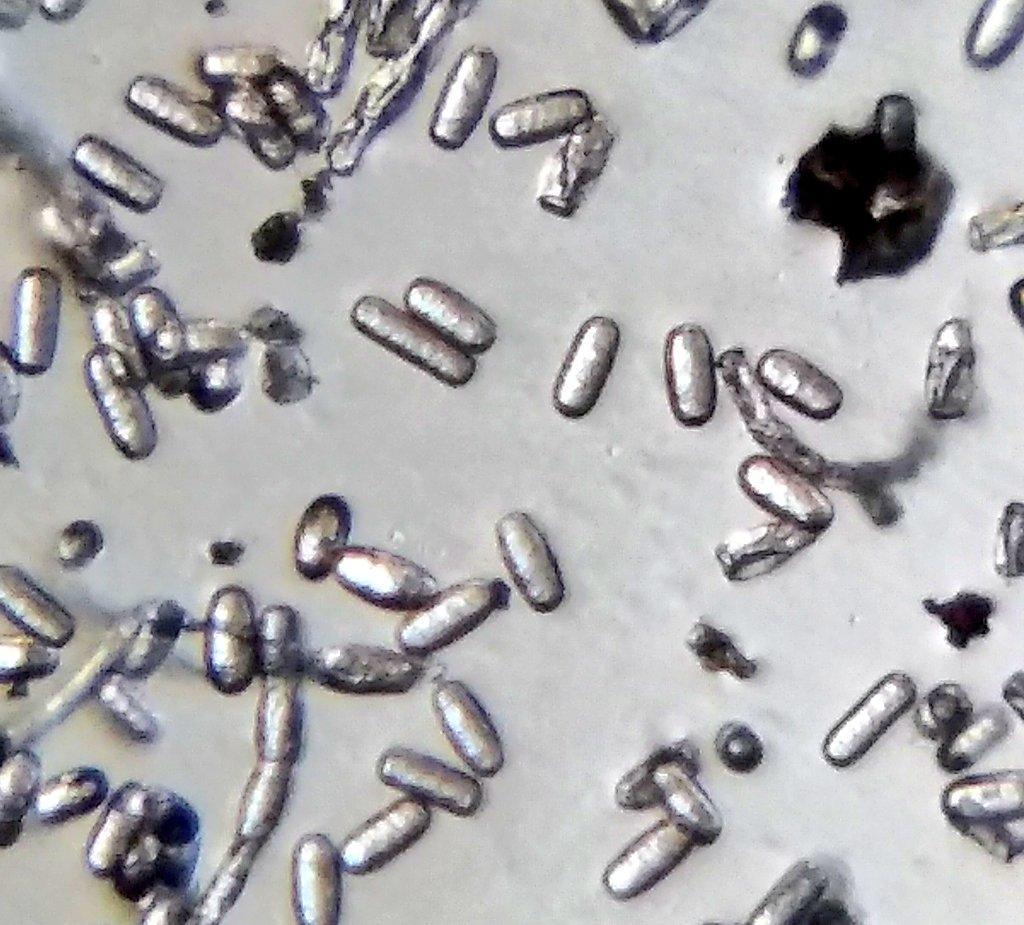
How to Treat Powdery Mildew in Australian Gardens
The white dust on roses, cucurbits and peas is a dry-weather fungus. Cut, air, milk spray, and know when a zucchini is finished.
Maya Chen · 22 March 2026
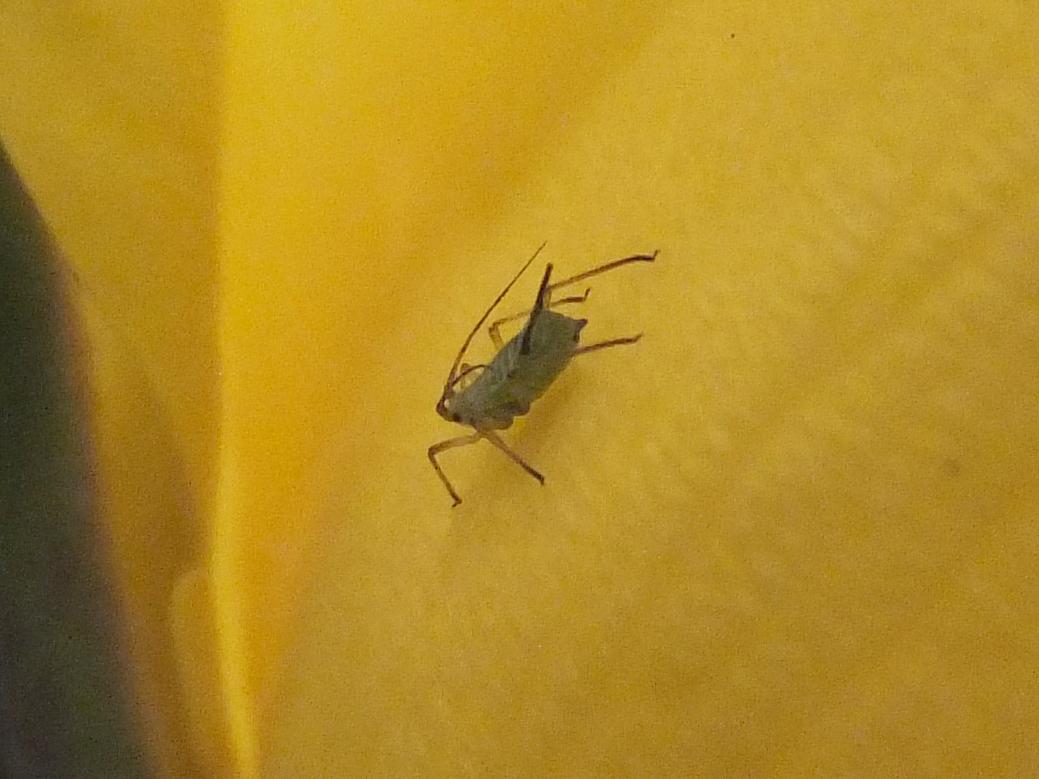
Aphids on Roses: Identification and Control
Rose aphids arrive with the first soft flush. Blast, squash, oil, and keep the ants off — before you reach for a spray that also kills the hoverflies.
Maya Chen · 18 February 2026
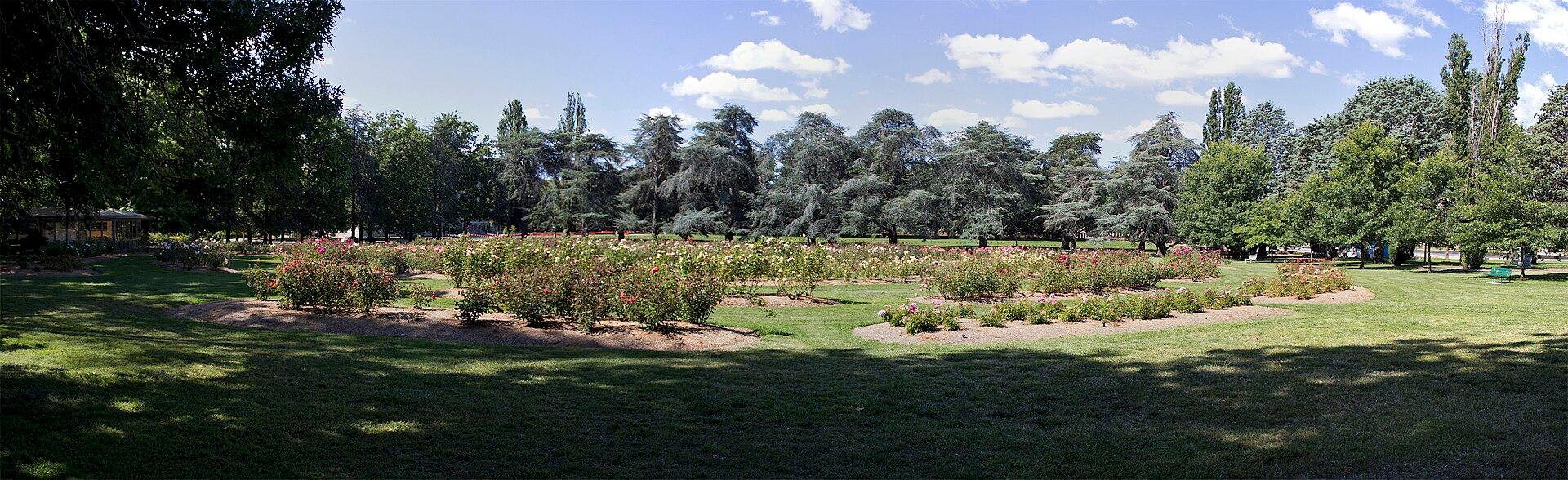
When to Prune Roses in Australia
Winter in the temperate south, lighter and later in the subtropics. How hard to cut, and what to pick up afterwards.
Ruth Nguyen · 15 June 2026