Spring Planting Guide for Australian Gardens
Spring is not one month. Frost dates, soil warmth and the wet-season clock decide what goes in the ground.
By Ruth Nguyen, Seasonal editor · 20 August 2026 · 6 min read
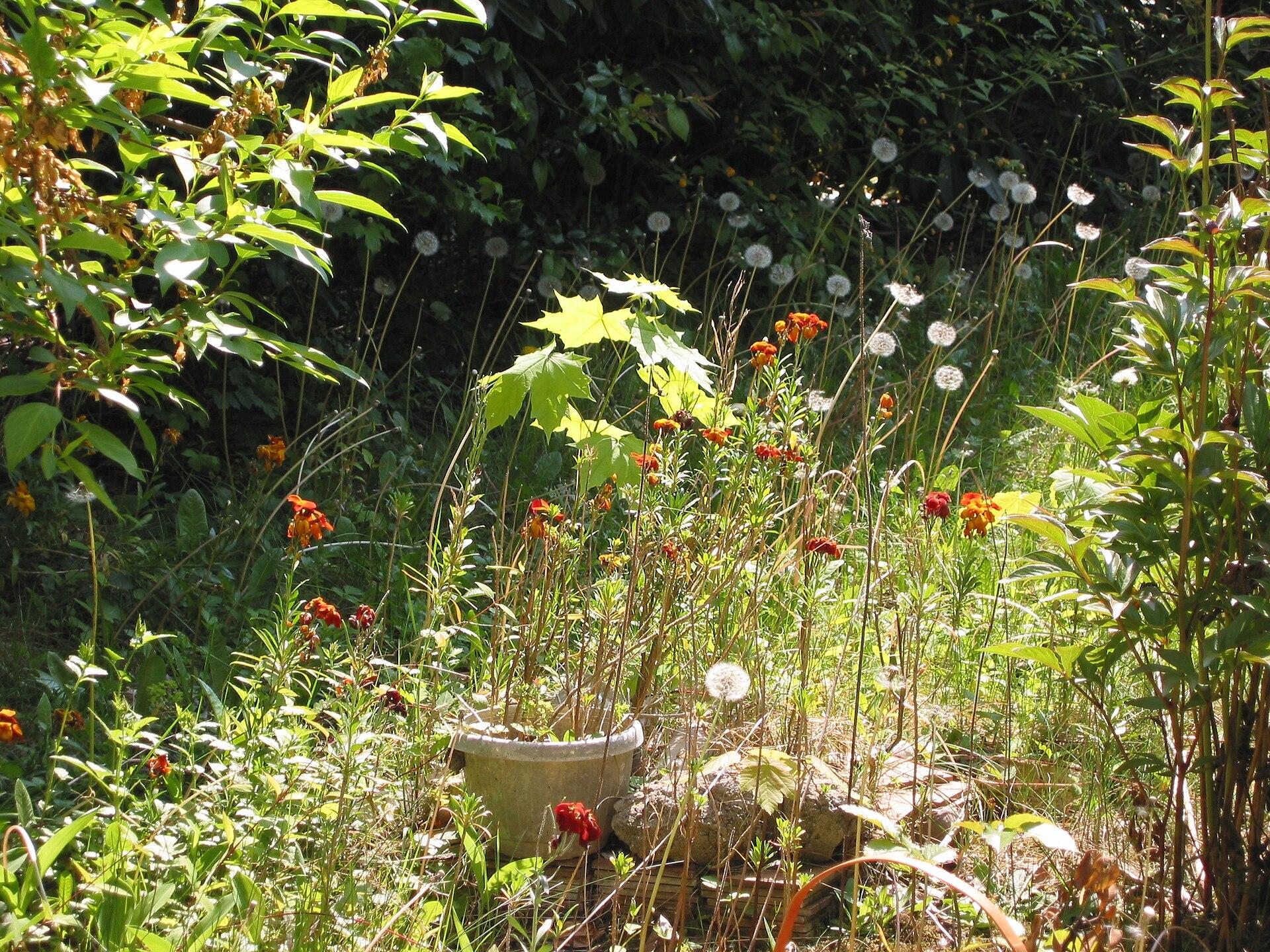
Spring in Australia is a marketing season and a set of local clocks. A September weekend that is perfect in Brisbane is a frost gamble in Armidale. This guide is a sequence, not a national public holiday.
Before you plant
Finish the winter jobs. If the roses are not yet pruned in a cold district, do it before the buds are long. Feed the lawn as it wakes; see the fertiliser schedule. Watch for bindii rosettes — the window is closing.
Weed while the soil is soft. Mulch after. Repair irrigation now, not on the first 38 °C day.
Vegetables
Tomatoes, chilli, eggplant, beans, cucurbits and sweet corn go in after frost. In warm temperate cities that is often mid-spring. Start seed indoors earlier if you like, but do not rush the hole. See tomatoes.
Succession plant lettuce and herbs in the shoulder weather; they will bolt when the heat arrives. In the tropics, spring may be the end of a dry-season crop, not the start of a temperate fantasy.
Ornamentals and natives
Plant hardy shrubs if you can water. Autumn is still the kinder establishment season in much of the south. If you plant grevilleas now, mound them and book the hose; see grevilleas.
Divide perennials that flowered in winter. Stake what will flop. Thin the seedlings you sowed too thickly.
Pests that wake with you
Aphids on the rose flush. Fruit fly as stone fruit colours. Lawn moths after the first humid nights. Spring is not only blossom. It is the opening of the pest calendar. Walk the garden twice a week and name what you see.
Spring planting is patience plus a frost date. Everything sold as “plant now!” on a national television segment is a suggestion for someone else’s postcode. Write yours on the shed wall.
A fortnightly spring list
Week one of real spring: weeds, irrigation check, bindii if still in window, rose feed as shoots move. Week two: plant the frost-hardy. Week three: harden tomato seedlings outside. Week four: plant heat crops if nights have held. Then mulch, then stake, then stop shopping.
The shop will still be there in November. The frost will not be talked out of a late date because you were impatient. Write the last frost of the last five years on a card. Believe the card, not the display at the garden centre.
A note from the desk
Field note: the last frost does not read Instagram. It reads the sky over your place.
Climate, soil and the long view
Australian gardens punish copied calendars. A method that works on a Melbourne clay in November can fail on a Cairns wet-season afternoon or a Perth sand in February. Keep a notebook: soil type, the week the pest arrived, the product and the active, the week the plant recovered. That notebook becomes a local almanac worth more than a national magazine spread. Share it with the next owner. Gardens are longer than our tenancies, and the useful knowledge is almost always local, modest, and written in the same Australian English we use on this desk. If a guest writer can add a climate we missed, the write for us page is open. If we got a fact wrong, use contact. The work is the garden, not the performance of certainty.
What spring is not
Spring is not a reason to plant a tree you will not water in January. It is not a reason to scalp the lawn. It is not a reason to buy twelve tomatoes for a family of two.
Spring is a reason to finish winter weeds, to repair the dripper that chewed, to plant heat crops after frost, and to mulch before the first serious heat. It is a short, useful season. Spend it on the calendar, not in the queue at the garden centre on the first warm Saturday when everyone else is also there.
If you only do three things: bindii if still in window, tomatoes after frost, mulch. The rest can wait a fortnight. The frost cannot.
Keeping records, neighbours and the next season
The gardens that improve are the ones that write things down. Note the week a pest arrived, the active you used, the days until the plant looked better, and the soil under your nails — sand, loam or clay. Share the useful notes with a neighbour. A street that treats bindii in winter, nets fruit in spring, and waters deeply on rostered days outperforms any single heroic yard. The Green Doctor is written for that kind of suburb: practical, climate-honest, and willing to say when a plant is in the wrong hole. If your postcode behaves differently, send the desk a correction. We would rather update a guide than leave a reader watering a grub. The long view is a better lawn, a cleaner citrus, a native that lives, and fewer Saturday panic sprays. That view is built in seasons, not in a single product. Keep the secateurs sharp. Keep the mulch off the stems. Keep the questions specific. The rest is weather, which we do not command, and soil, which we can slowly help. Return to the relevant topic hub when the next job appears, and ignore any advice that cannot name an Australian climate. Certainty without a postcode is entertainment. This journal would rather be useful.
One more practical pass
Walk the garden with this guide in mind, not as a scripture. Check the soil with a finger or a probe, name the insect or the symptom, then do the smallest honest job — a deep water, a winter spray, a net, a prune, a mound. Come back in a fortnight and judge the new growth, not yesterday's damaged leaf. That habit, repeated through an Australian year, is worth more than a trolley of tonics and it is how a backyard starts to look looked-after rather than performed. If the last frost date still makes you nervous, wait another week; impatient tomatoes are the most expensive seedlings in the suburb.
Questions gardeners ask
When does spring planting start in Australia?
When your frost has finished and the soil is warm enough for the crop. That is August in warm coastal pockets and November on cold tablelands.
What should I plant in September?
In frost-free areas, tomatoes, beans and cucurbits can start. In frosty suburbs, harden off seedlings and wait. Natives and hardy shrubs can go in if you can water.
Is spring the best time to plant natives?
Autumn is often kinder in southern Australia. Spring planting works if you mulch and water through the first summer.
Want to add a climate the desk missed? Pitch a guest post or send a correction.
Keep reading in seasonal jobs
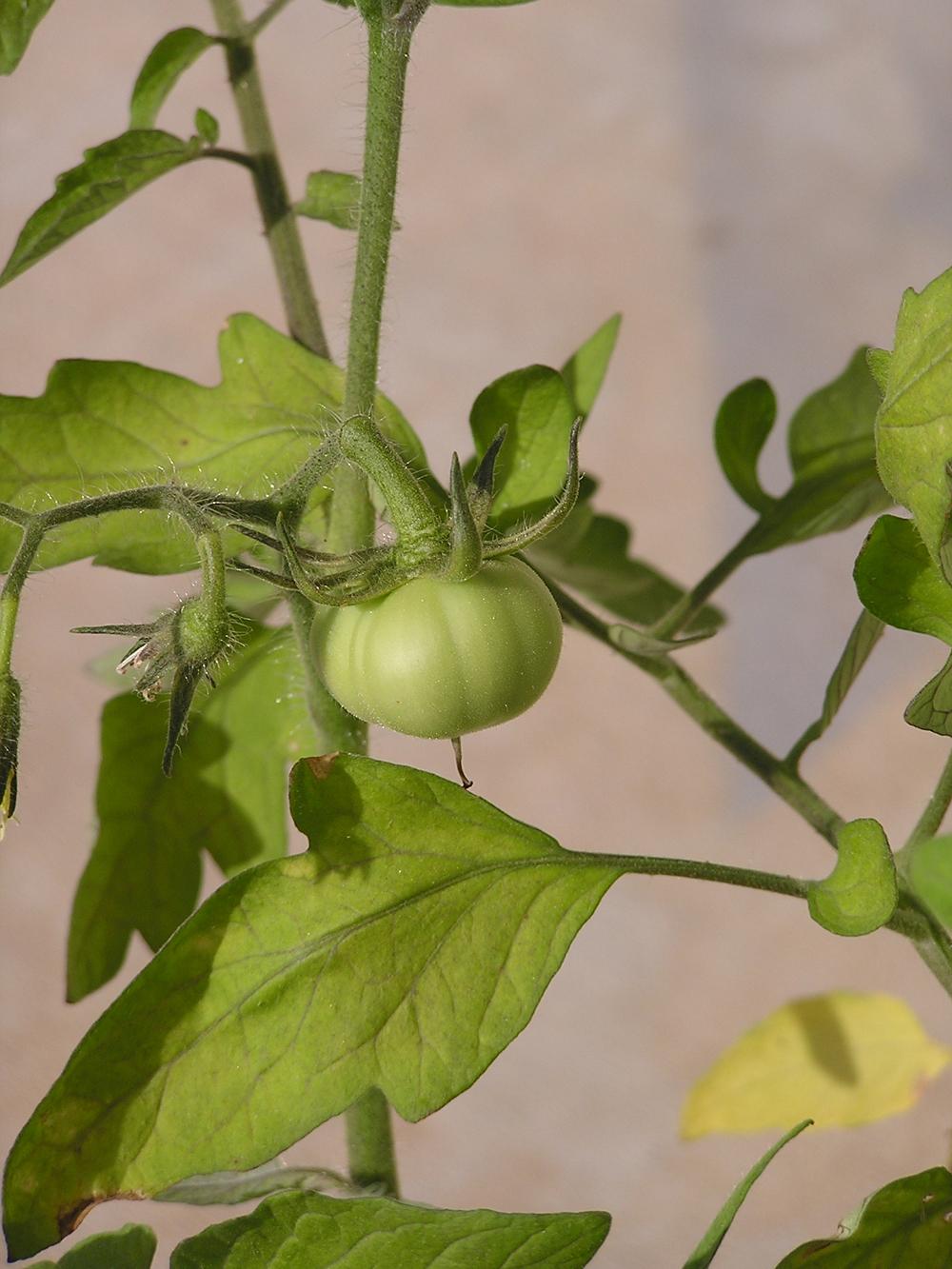
How to Grow Tomatoes in Australia
After frost, in sun, with airflow. Choose a variety for your season, stake early, and water the soil — not the mildew.
James Okonkwo · 30 January 2026
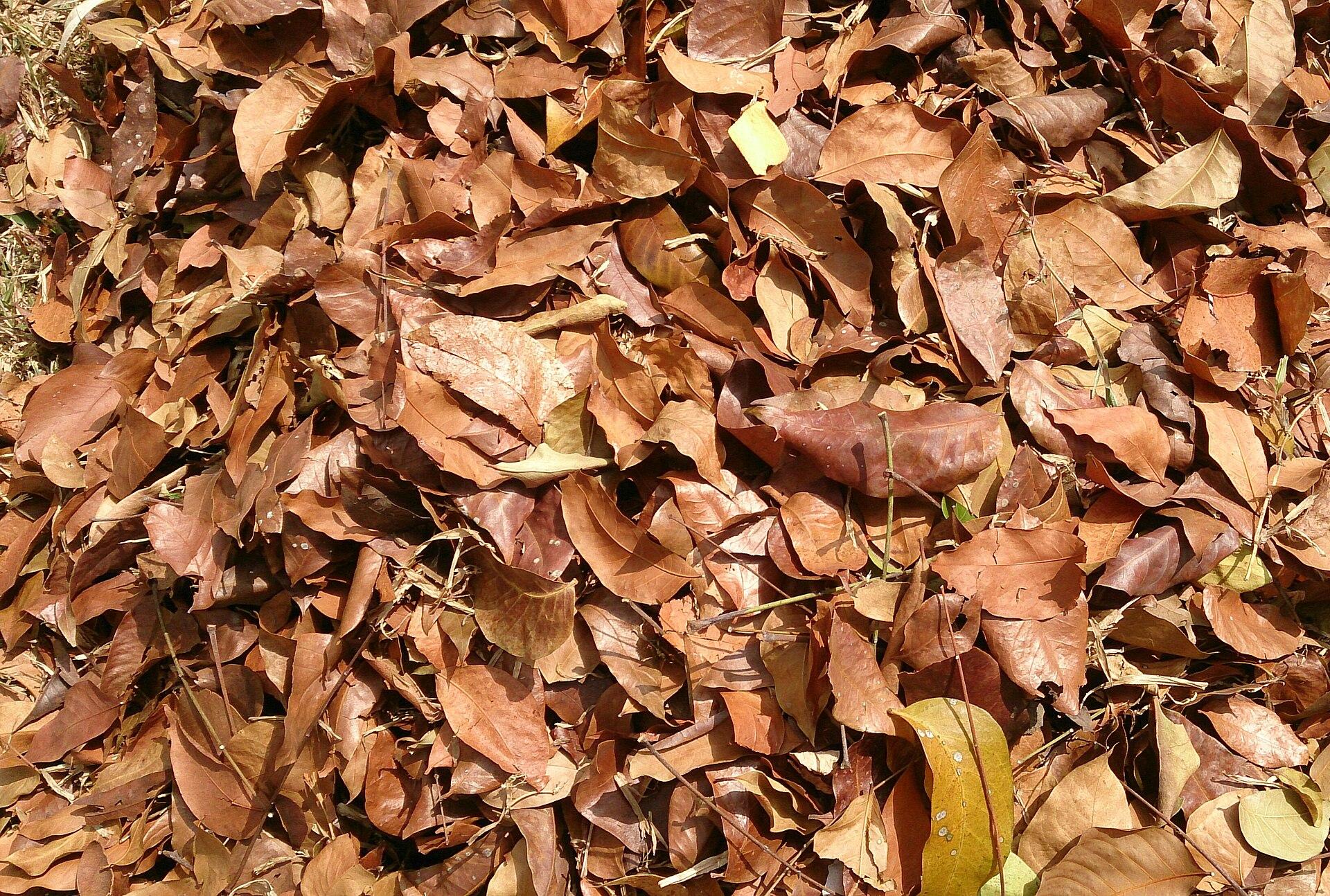
Autumn Garden Jobs in Australia
The best planting season in much of the south: soil still warm, rain returning, and a list that is not all leaf-raking.
Ruth Nguyen · 25 March 2026
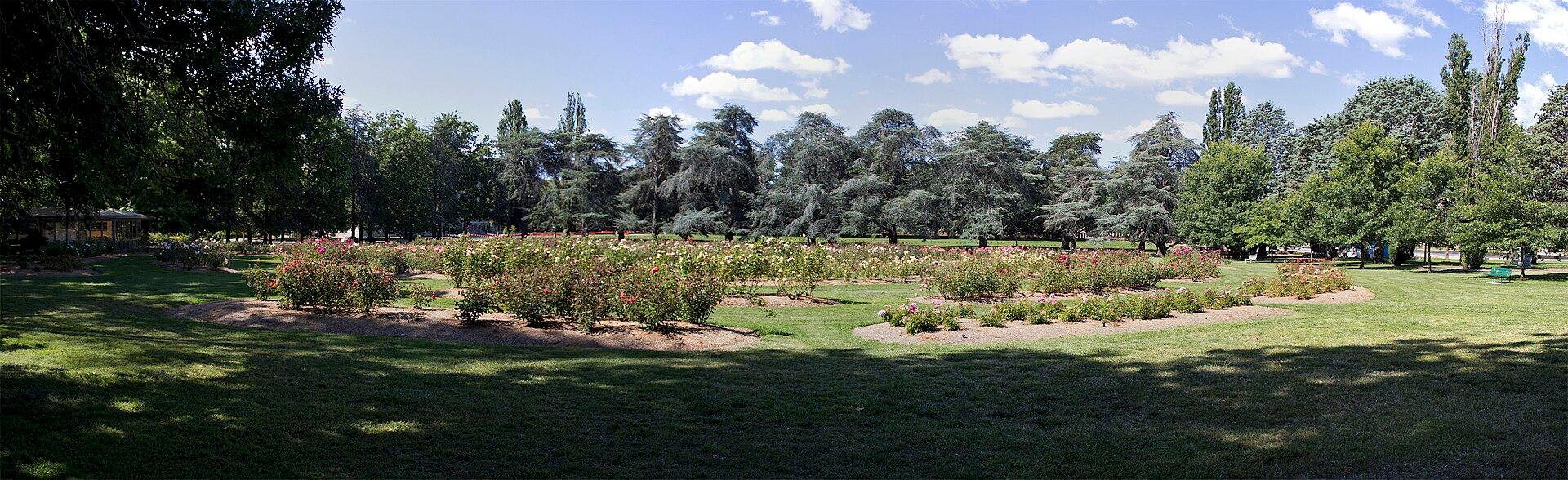
When to Prune Roses in Australia
Winter in the temperate south, lighter and later in the subtropics. How hard to cut, and what to pick up afterwards.
Ruth Nguyen · 15 June 2026