How to Grow Grevilleas
Drainage first, phosphorus second, pruning after flower. Grevilleas are not unkillable natives — they are particular shrubs with loud birds.
By Priya Nair, Native plants editor · 22 February 2026 · 6 min read
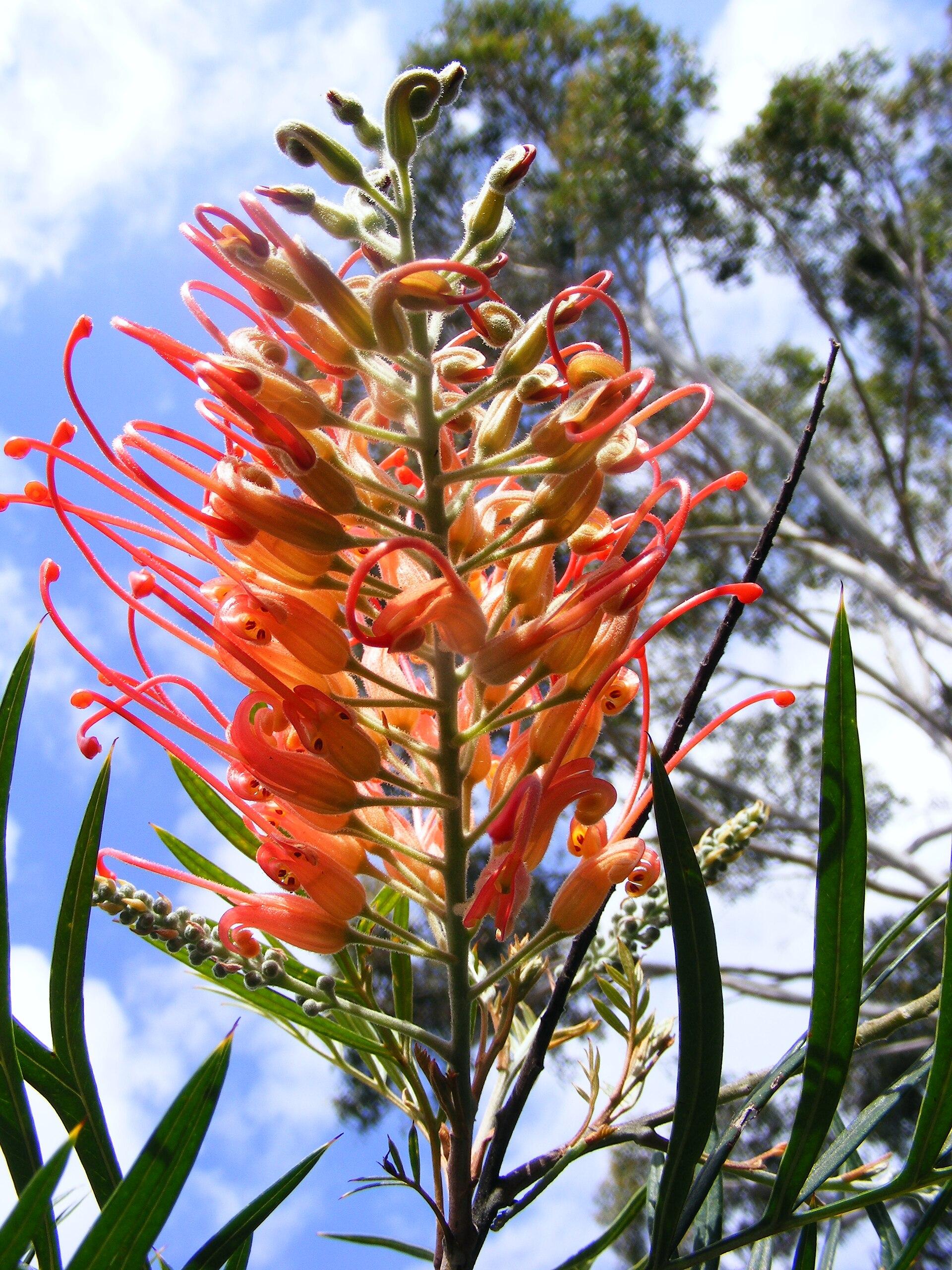
Grevilleas are the native shrub people buy for the honeyeaters and then bury in a wet clay hollow because the label said hardy. They are hardy in the way a surfboard is hardy: in the right medium. In a puddle they are compost.
There are hundreds of species and a wall of hybrids — ‘Robyn Gordon’, ‘Moonlight’, ‘Superb’, groundcovers, trees. The cultural rules rhyme.
Drainage is the religion
Plant on a mound or in a raised bed if the soil is heavy. Keep irrigation off the trunk. Do not surround the plant with a dish that holds winter rain. Mulch, but not a wet blanket against the stem.
If you have lost two grevilleas in the same hole, the hole is the problem. Read root rot and clay. Plant a bottlebrush there instead.
Phosphorus and food
Many grevilleas, especially those with WA blood, resent high phosphorus. Use a fertiliser labelled for natives, or compost used as a light topdress, not a rose spike next to the trunk. Yellowing can be iron in high pH, or just a wet root. Diagnose before you pour.
They do not need weekly tonic. They need a dryish collar and sun.
Pruning and shape
Tip-prune from the first year. A grevillea allowed to become a woody octopus will not always reshoot from thick old wood. After flowering, shorten the spent growth. Remove dead wood. Do not turn a 3 m shrub into a 300 mm stump and call it rejuvenation unless you know that species coppices.
Groundcover grevilleas that mound up can be sheared lightly to keep them dense. Keep them off the path with a trim, not a whipper-snipper into the crown.
Pests and sulks
Scale and sooty mould appear on stressed plants; treat as for other shrubs, gently. Caterpillars sometimes skeletonise a flush. Birds do more good than harm.
A grevillea that drops a lot of leaf after planting is often a watering error — too much or too little — or a root-bound pot that was not sliced. Tease or make vertical cuts on circling roots at planting. Water to establish for the first two summers, then back off.
Choose the mature size. ‘Moonlight’ is not a pot plant. A groundcover is not a screen. Put the right grevillea in the right drainage and the honeyeaters will write the rest of the review.
Hybrids versus species
Garden hybrids were selected for a long flowering and a dense habit. They are the right plant for most suburbs. Species grevilleas can be more particular and more beautiful. Start with a hybrid that is proven in your town, then get snobby.
If a hybrid is grafted, keep the graft above soil and watch for suckers from the rootstock. A sudden change in leaf shape is a takeover.
Birds will tell you if you got it right. If the wattlebirds argue in July, stay the course. If the plant is a bare stick in a wet hollow, believe the hollow.
A note from the desk
Field note: a grevillea in a wet hollow is a future invoice. A bottlebrush in that hollow is a garden.
Climate, soil and the long view
Australian gardens punish copied calendars. A method that works on a Melbourne clay in November can fail on a Cairns wet-season afternoon or a Perth sand in February. Keep a notebook: soil type, the week the pest arrived, the product and the active, the week the plant recovered. That notebook becomes a local almanac worth more than a national magazine spread. Share it with the next owner. Gardens are longer than our tenancies, and the useful knowledge is almost always local, modest, and written in the same Australian English we use on this desk. If a guest writer can add a climate we missed, the write for us page is open. If we got a fact wrong, use contact. The work is the garden, not the performance of certainty.
Sun, companions and the first January
Grevilleas want sun to flower. A little afternoon shade in a brutal inland summer is acceptable. Deep shade is a leafy sulk.
Do not companion them with plants that demand weekly wet. A circle of impatiens around a grevillea is a drowning. Surround them with other drained plants — westringia, smaller grevilleas, a gravel mulch.
The first January, water deeply and infrequently. The second January, water only in a heatwave if the plant has taken. If it did not take, the drainage was wrong. Do not repeat the hole.
Birds will prune tips better than you. Watch. Then copy them lightly after the flush.
Keeping records, neighbours and the next season
The gardens that improve are the ones that write things down. Note the week a pest arrived, the active you used, the days until the plant looked better, and the soil under your nails — sand, loam or clay. Share the useful notes with a neighbour. A street that treats bindii in winter, nets fruit in spring, and waters deeply on rostered days outperforms any single heroic yard. The Green Doctor is written for that kind of suburb: practical, climate-honest, and willing to say when a plant is in the wrong hole. If your postcode behaves differently, send the desk a correction. We would rather update a guide than leave a reader watering a grub. The long view is a better lawn, a cleaner citrus, a native that lives, and fewer Saturday panic sprays. That view is built in seasons, not in a single product. Keep the secateurs sharp. Keep the mulch off the stems. Keep the questions specific. The rest is weather, which we do not command, and soil, which we can slowly help. Return to the relevant topic hub when the next job appears, and ignore any advice that cannot name an Australian climate. Certainty without a postcode is entertainment. This journal would rather be useful.
One more practical pass
Walk the garden with this guide in mind, not as a scripture. Check the soil with a finger or a probe, name the insect or the symptom, then do the smallest honest job — a deep water, a winter spray, a net, a prune, a mound. Come back in a fortnight and judge the new growth, not yesterday's damaged leaf. That habit, repeated through an Australian year, is worth more than a trolley of tonics and it is how a backyard starts to look looked-after rather than performed.
Questions gardeners ask
Why do grevilleas suddenly die?
Usually wet feet and Phytophthora, or a phosphorus-rich fertiliser, or a plant that was circling in the pot. They rarely die of neglect in a drained soil.
Can I grow grevilleas in clay?
Some eastern species and hybrids cope on a mound. Many WA species will not. Raise the bed or choose a bottlebrush.
When do I prune grevilleas?
Lightly after the main flush. Do not cut into old bare wood on species that will not reshoot. Tip-prune from youth to keep a dense shrub.
Want to add a climate the desk missed? Pitch a guest post or send a correction.
Keep reading in native gardens
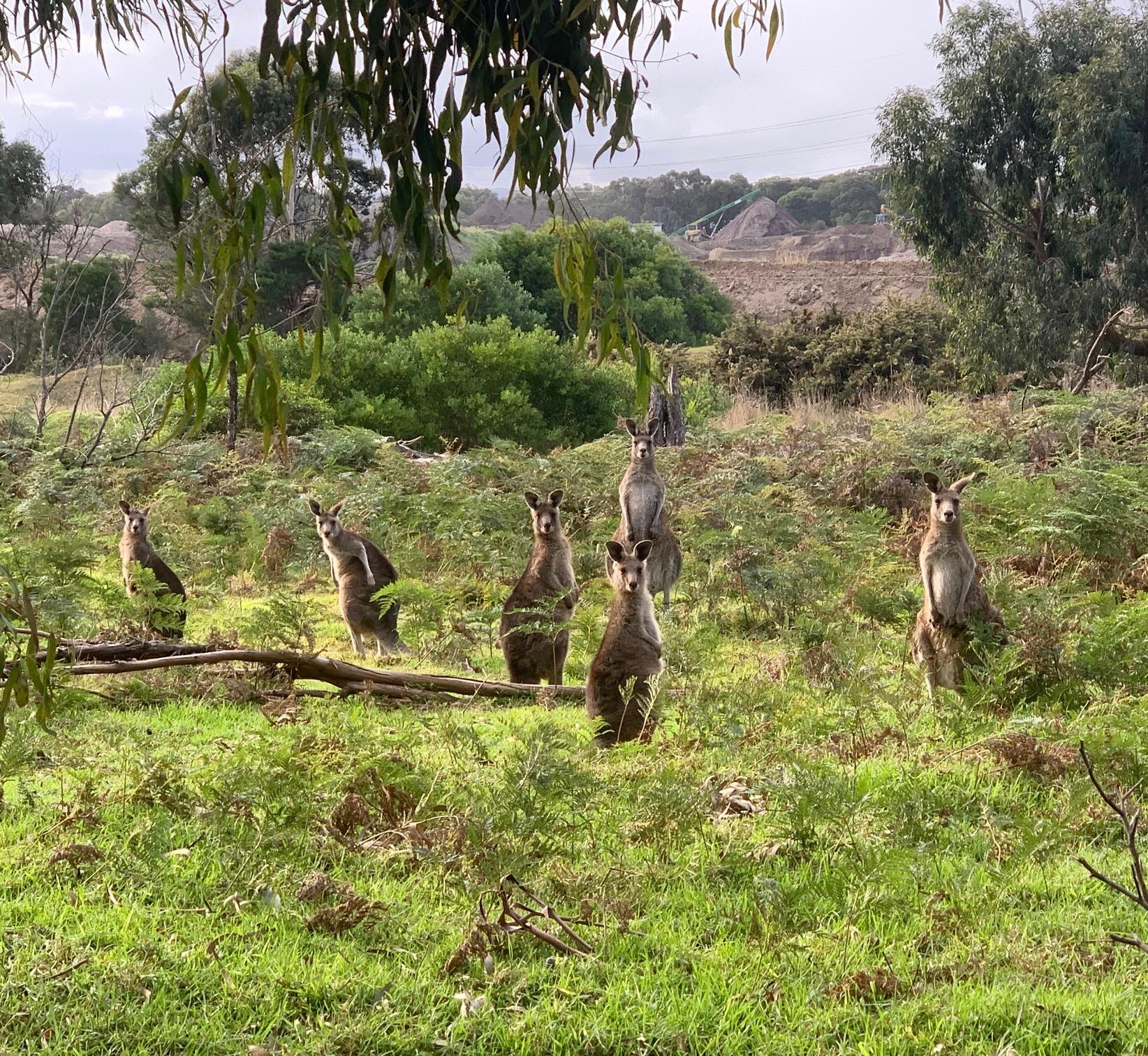
Best Native Plants for Australian Gardens
A working palette — not a national park in a 12-metre frontage. Match provenance, soil and nectar to the block you have.
Priya Nair · 11 January 2026
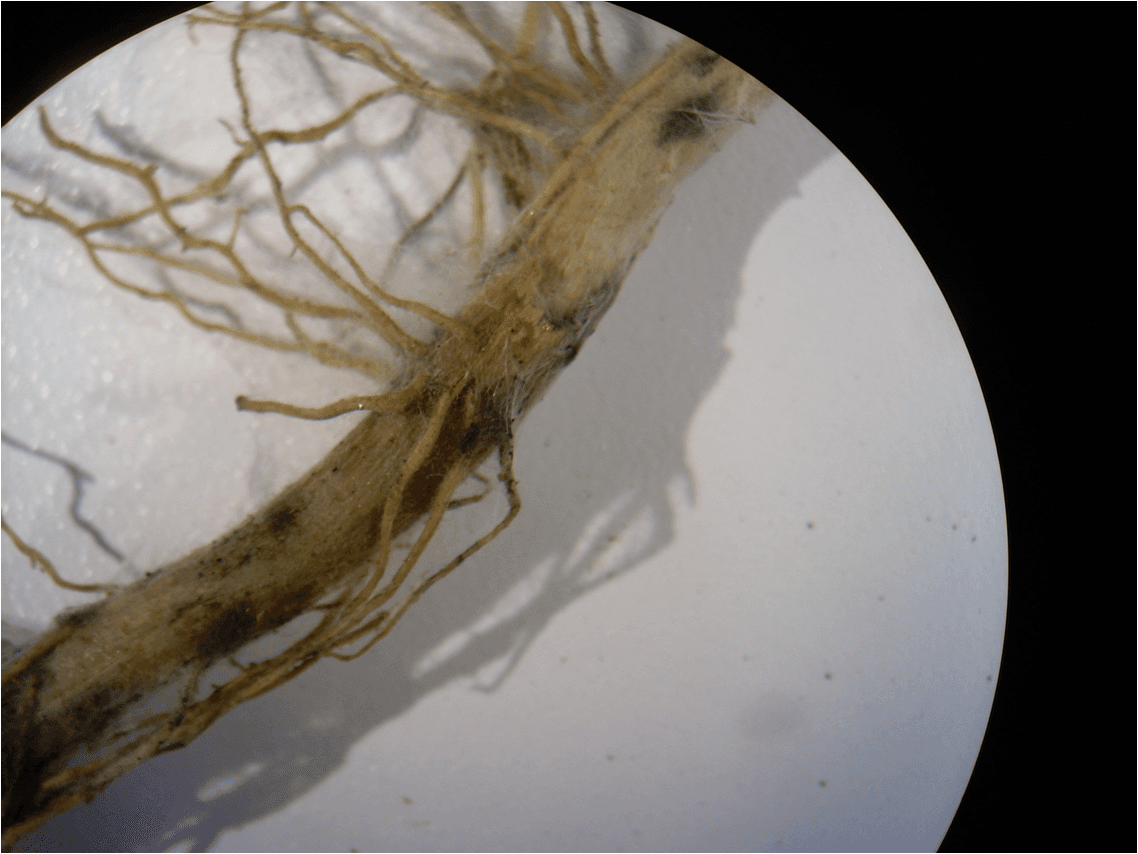
Root Rot in Pots and Garden Beds
Black, mushy roots and a plant that wilts while wet are not a thirst problem. Learn how to diagnose Phytophthora and overwatering, and when a plant is already gone.
Maya Chen · 11 April 2026
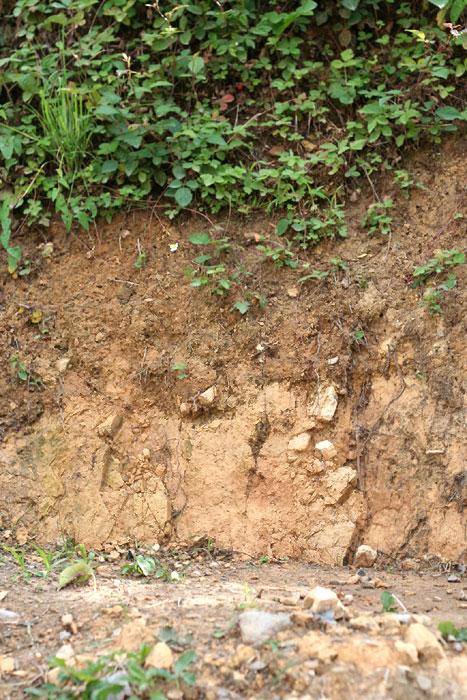
How to Improve Clay Soil in Australia
Gypsum, compost and traffic control will make clay workable. Turning it into loam in a weekend will not.
Helen Walsh · 26 January 2026