Bottlebrush Care Guide (Callistemon)
The forgiving nectar shrub: how to prune for flowers, water to establish, and live with the litter of stamens on the path.
By Priya Nair, Native plants editor · 8 March 2026 · 6 min read
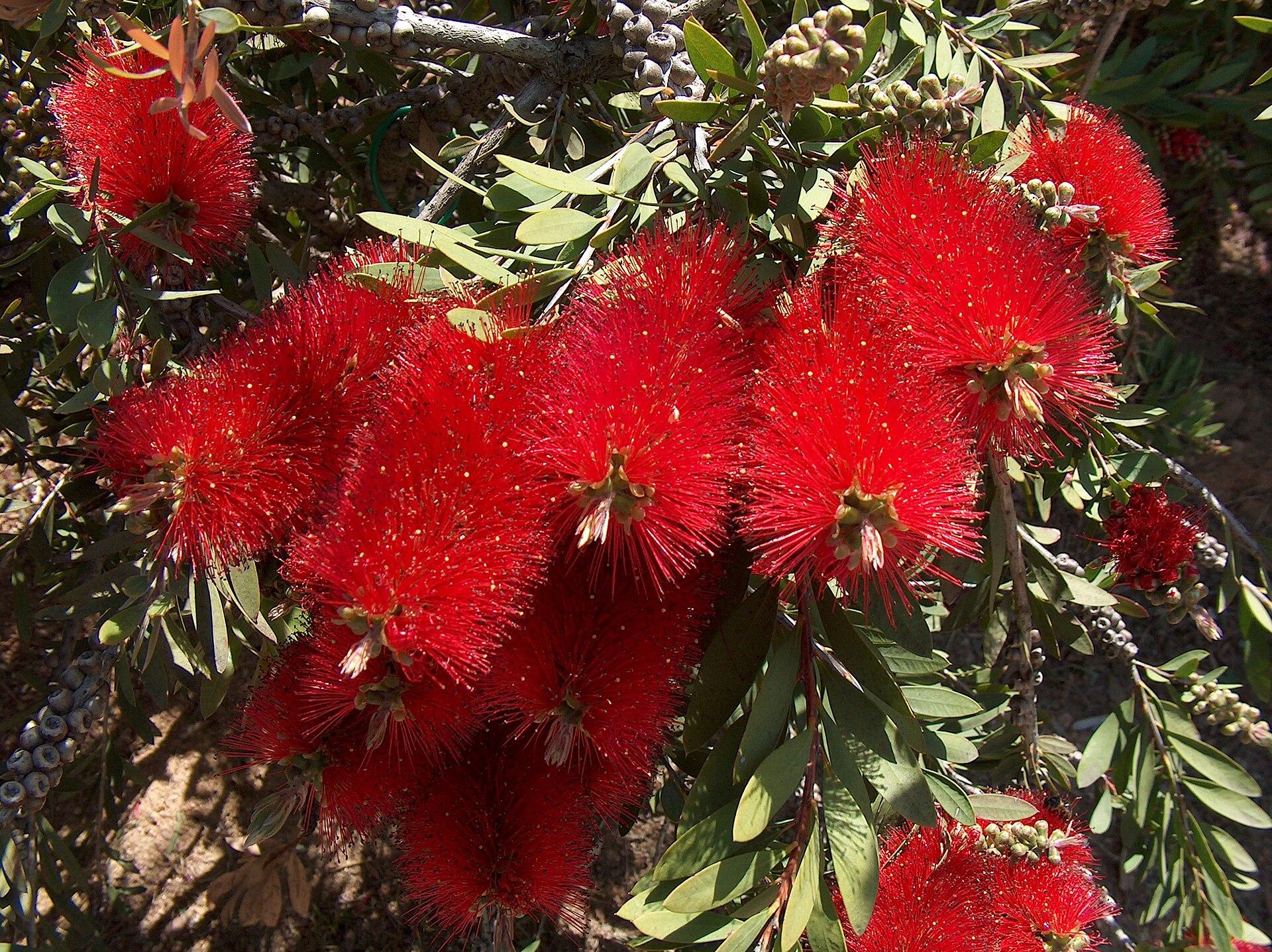
Bottlebrush is the native that forgives a suburban clay and still throws red (or pink, or cream) brushes for the lorikeets. Most garden forms are Callistemon — many now folded into Melaleuca by botanists. The hose-and-secateurs advice did not change with the Latin.
They are not elegant in a minimal courtyard unless you choose a compact cultivar and prune. They are superb as a loose screen, a bird shrub, and a plant that survives the owner’s holiday.
Planting and water
Full sun for flowers. A half-day of sun still works; deep shade makes a leafy, flower-shy broom. They accept loam and clay better than grevilleas. On sand, compost and mulch as usual.
Water to establish. An adult bottlebrush is reasonably drought-tough. A first-year plant is not a cactus. After two summers, you should be watering like a water-wise garden, not like a lettuce.
Pruning for brushes
Flower sits on last season’s growth. If you cut the shrub into a ball in late winter you may remove the show. The useful habit is a trim after the main flush — often late spring or summer depending on climate and cultivar — shortening the spent brushes.
If you like the woody seed capsules and the birds that use them, prune less. If you want a dense hedge, prune more often and accept fewer flowers.
Old, leggy specimens can be cut harder than grevilleas; many bottlebrushes reshoot from wood. Do it in stages if you are nervous, and water afterwards.
Mess and neighbours
Stamens drop. Seed capsules drop. Lorikeets argue. This is the point. Do not plant a large C. viminalis over a dark car and then complain. Choose a dwarf form for a courtyard.
Scale and sooty mould appear when the shrub is stressed or ants are farming. Treat as for other honeydew insects. A healthy, sunny bottlebrush is rarely a patient.
Fertiliser is optional. A light native food in spring is enough. Lawn food washing into the root zone will grow leaf at the expense of flower.
Bottlebrush is the shrub we recommend when someone has killed two grevilleas and still wants nectar. It is not a lesser native. It is the one that matches ordinary Australian dirt. Plant it, prune after it performs, and sweep the path. The birds will not ask for a Latin update.
Hedges, streets and litter
A bottlebrush hedge works if you prune after flower and accept a looser line than a lilly pilly. It will never be a box. That is fine.
Street plantings of tall weeping bottlebrush drop brushes onto cars. Beautiful, and a neighbour war. Choose the cultivar for the space, not for a childhood memory of a huge tree.
Litter is nectar spent. Sweep it. Do not poison a shrub because it behaved like a shrub. If you need a clean courtyard, plant smaller or plant something else.
A note from the desk
Field note: lorikeets at dawn are the review. If they come, the prune can wait a week.
Climate, soil and the long view
Australian gardens punish copied calendars. A method that works on a Melbourne clay in November can fail on a Cairns wet-season afternoon or a Perth sand in February. Keep a notebook: soil type, the week the pest arrived, the product and the active, the week the plant recovered. That notebook becomes a local almanac worth more than a national magazine spread. Share it with the next owner. Gardens are longer than our tenancies, and the useful knowledge is almost always local, modest, and written in the same Australian English we use on this desk. If a guest writer can add a climate we missed, the write for us page is open. If we got a fact wrong, use contact. The work is the garden, not the performance of certainty.
Species, size and the wires
Callistemon viminalis and its kin can be trees. Dwarf cultivars stay in a courtyard if they are actually dwarf, not just labelled hopefully. Read the expected height from a grower you trust.
Under power lines, a large bottlebrush becomes a council haircut. Plant a compact form or plant further away. A bad prune to clear wires will also clear next year’s brushes.
On the coast they take wind better than many grevilleas. In a frost hollow, young plants may need a cover on the worst nights. They are tough, not mythical.
Water in the first two summers
A bottlebrush that is “hardy” still wants a deep soak in its first January. After that, treat it as water-wise. If it drops leaf in a drought, water deeply once, then wait. Daily dribble grows a shallow shrub that will always ask.
If flowers fail after a nitrogen-rich year from the lawn, skip the feed and restore the sun. Leaf is not the product. Brushes are.
Keeping records, neighbours and the next season
The gardens that improve are the ones that write things down. Note the week a pest arrived, the active you used, the days until the plant looked better, and the soil under your nails — sand, loam or clay. Share the useful notes with a neighbour. A street that treats bindii in winter, nets fruit in spring, and waters deeply on rostered days outperforms any single heroic yard. The Green Doctor is written for that kind of suburb: practical, climate-honest, and willing to say when a plant is in the wrong hole. If your postcode behaves differently, send the desk a correction. We would rather update a guide than leave a reader watering a grub. The long view is a better lawn, a cleaner citrus, a native that lives, and fewer Saturday panic sprays. That view is built in seasons, not in a single product. Keep the secateurs sharp. Keep the mulch off the stems. Keep the questions specific. The rest is weather, which we do not command, and soil, which we can slowly help. Return to the relevant topic hub when the next job appears, and ignore any advice that cannot name an Australian climate. Certainty without a postcode is entertainment. This journal would rather be useful.
Questions gardeners ask
When should I prune bottlebrush?
After the main flowering, shorten the spent brushes before they set a thicket of woody capsules if you want a tidy shrub. You can also leave seed for birds.
Why is my bottlebrush not flowering?
Too much shade, too much nitrogen, or a prune at the wrong time that removed the wood that would have flowered. Young plants also sulk for a season.
Can bottlebrush grow in clay?
Better than many grevilleas. They accept heavier soils and periodic wet, which is why they are the backup native when drainage is ordinary.
Want to add a climate the desk missed? Pitch a guest post or send a correction.
Keep reading in native gardens
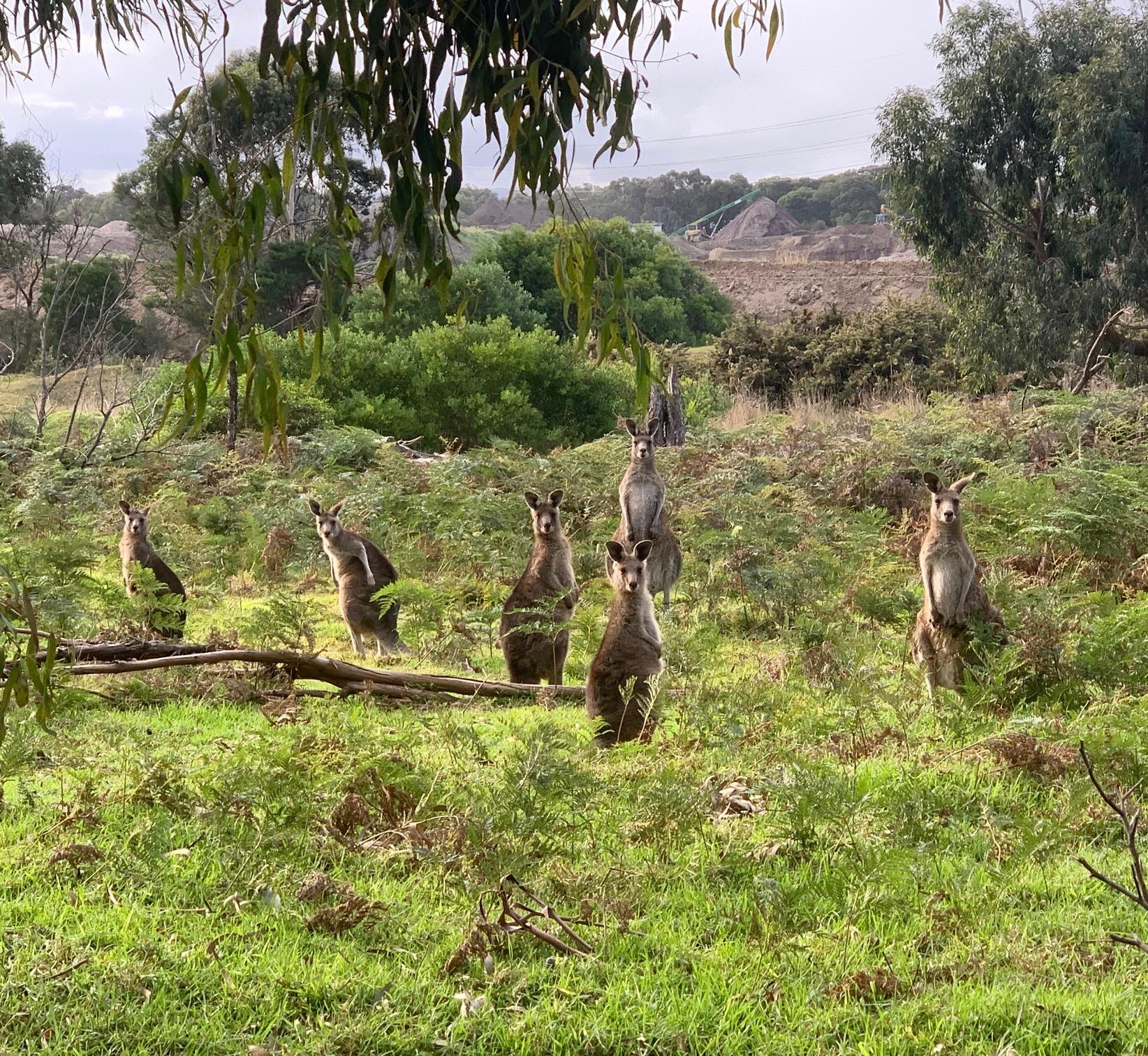
Best Native Plants for Australian Gardens
A working palette — not a national park in a 12-metre frontage. Match provenance, soil and nectar to the block you have.
Priya Nair · 11 January 2026
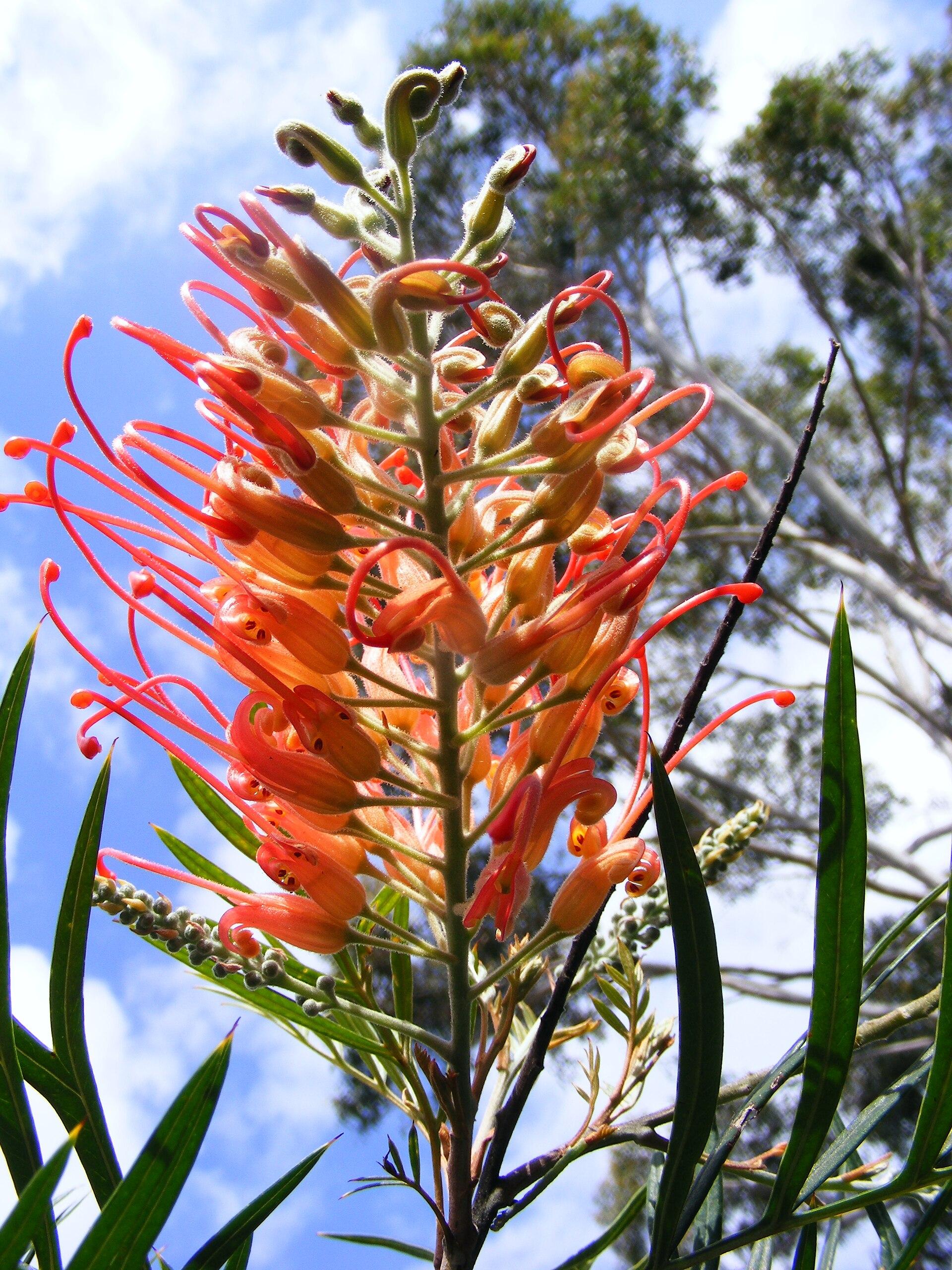
How to Grow Grevilleas
Drainage first, phosphorus second, pruning after flower. Grevilleas are not unkillable natives — they are particular shrubs with loud birds.
Priya Nair · 22 February 2026
Water-wise Gardening in Australian Drought
Shrink the lawn, mulch the soil, water the roots, and plant what the rainfall can finish. Restrictions are a design brief.
Priya Nair · 18 January 2026