Water-wise Gardening in Australian Drought
Shrink the lawn, mulch the soil, water the roots, and plant what the rainfall can finish. Restrictions are a design brief.
By Priya Nair, Native plants editor · 18 January 2026 · 6 min read
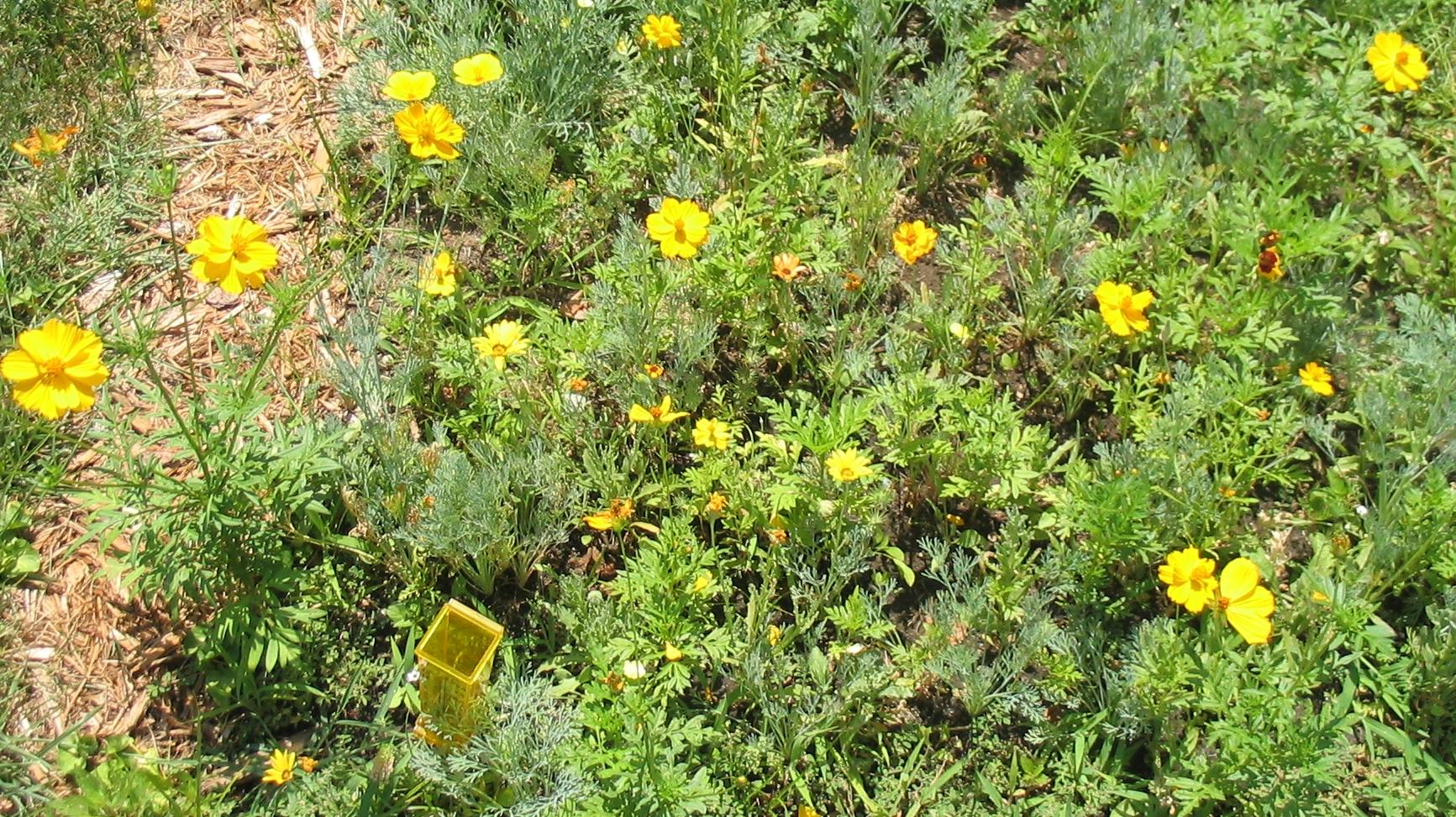
Australian gardening is water gardening, even when the sky is kind. Drought, El Niño summers, and restrictions are not interruptions. They are the brief. A water-wise garden is not a pile of rocks and one agave. It is a set of habits that keep soil covered and roots deep.
Design before the tap
Group plants by thirst. Put the vegetables and the lemon where the hose already goes. Put natives and Mediterranean shrubs where they can graduate off irrigation. Do not sprinkle a rose, a kangaroo paw and a hydrangea on the same dripline and call it a theme.
Shrink the lawn to the patch you actually walk on. Read buffalo versus couch if you keep turf. Replace the rest with groundcovers, gravel with planting pockets, or a meadow of lomandra that you do not mow like a green carpet.
Catch roof water if you can. A tank that only fills a toilet is still a tank. Overflow into a bed is a gift if the bed can take it.
Soil is the reservoir
Mulch. Compost on sand and clay. Wetters on hydrophobic sand. These are not decorations. They are how a 20-minute watering lasts four days instead of one.
Water at the root, in the morning, deeply, on the days you are allowed. The lawn watering logic applies to shrubs: depth, not theatre.
What to stop irrigating
The decorative pot you forgot. The high-water annual bed you plant every spring out of habit. The lemon in a 30 cm pot on a west wall. Be ruthless. Drought is an editor.
Establish new plants in autumn where your climate allows — they have a cool season to root before the first punishment. In the tropics, use the wet. Do not install a new hedge in January and then break restrictions to save it.
A water-wise garden looks lush because the plants are the right plants, not because the tap is generous. The next guide, drought-tolerant plants, is the shopping list. This page is the spine: less lawn, covered soil, deep water, honest grouping. The rest is taste.
Restrictions as a design review
When the roster comes in, walk the garden with a clipboard. What died last time? What did you not miss? What used the most water for the least joy? Remove the third. Enlarge the second. Protect the first only if it earns its litres.
A pool, a lawn and a tropical border are three hobbies. In a drought you may keep one. Choose out loud.
Greywater from the laundry can keep ornamentals if the products are garden-sensible and the law allows. Do not greywater the lettuce. Do not invent a system that floods the neighbour.
Water-wise is an edit. The plants that remain should look like they belong when the tap is shy.
A note from the desk
Field note: the garden that looked fine in the last restrictions was smaller and mulched. Remember that when the catalogue arrives.
Climate, soil and the long view
Australian gardens punish copied calendars. A method that works on a Melbourne clay in November can fail on a Cairns wet-season afternoon or a Perth sand in February. Keep a notebook: soil type, the week the pest arrived, the product and the active, the week the plant recovered. That notebook becomes a local almanac worth more than a national magazine spread. Share it with the next owner. Gardens are longer than our tenancies, and the useful knowledge is almost always local, modest, and written in the same Australian English we use on this desk. If a guest writer can add a climate we missed, the write for us page is open. If we got a fact wrong, use contact. The work is the garden, not the performance of certainty.
Measuring what you use
A water meter that moves when you thought everything was off is a leak. Fix leaks before you lecture the garden. A dripping reticulation joint in sand is a phantom plant you are growing under the path.
Put a simple gauge on a station. Know how many millimetres you apply. People who know their millimetres use fewer of them.
Tanks: first water the establishment plants, then the lemon, then the lawn. The order is the ethic. A green unused lawn and a dead citrus is a reversed ethic.
Restrictions will return. Design as if they are already here. The garden will look composed when the rest of the street looks surprised.
Keeping records, neighbours and the next season
The gardens that improve are the ones that write things down. Note the week a pest arrived, the active you used, the days until the plant looked better, and the soil under your nails — sand, loam or clay. Share the useful notes with a neighbour. A street that treats bindii in winter, nets fruit in spring, and waters deeply on rostered days outperforms any single heroic yard. The Green Doctor is written for that kind of suburb: practical, climate-honest, and willing to say when a plant is in the wrong hole. If your postcode behaves differently, send the desk a correction. We would rather update a guide than leave a reader watering a grub. The long view is a better lawn, a cleaner citrus, a native that lives, and fewer Saturday panic sprays. That view is built in seasons, not in a single product. Keep the secateurs sharp. Keep the mulch off the stems. Keep the questions specific. The rest is weather, which we do not command, and soil, which we can slowly help. Return to the relevant topic hub when the next job appears, and ignore any advice that cannot name an Australian climate. Certainty without a postcode is entertainment. This journal would rather be useful.
One more practical pass
Walk the garden with this guide in mind, not as a scripture. Check the soil with a finger or a probe, name the insect or the symptom, then do the smallest honest job — a deep water, a winter spray, a net, a prune, a mound. Come back in a fortnight and judge the new growth, not yesterday's damaged leaf. That habit, repeated through an Australian year, is worth more than a trolley of tonics and it is how a backyard starts to look looked-after rather than performed.
Questions gardeners ask
How do I keep a garden alive under water restrictions?
Mulch, water only the plants that earn it, use the rostered days for a deep soak, and stop irrigating thirsty novelties you will not miss.
Is greywater safe?
It can keep ornamentals and lawns alive if your system and plants allow it. Keep it off leaves you eat and off boron-sensitive plants. Follow local rules.
Should I kill the lawn?
Shrink it. A small, well-run buffalo or couch on a play area plus natives on the verge is a better suburb than a dead 400 m² status symbol.
Want to add a climate the desk missed? Pitch a guest post or send a correction.
Keep reading in water-wise gardens
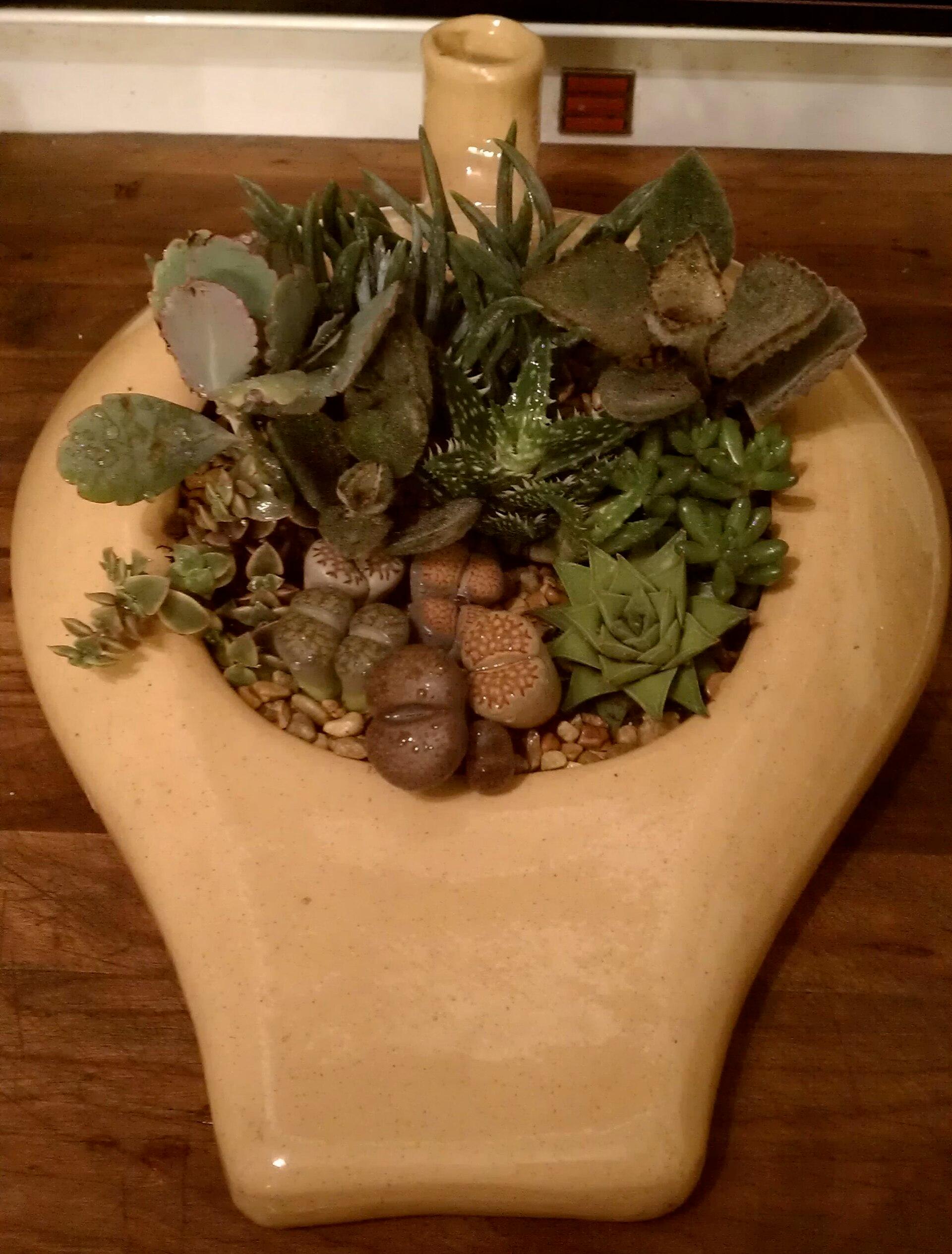
Drought-tolerant Plants for Australian Gardens
Plants that finish on rainfall once they are established — and the ones that only look tough in a catalogue.
Priya Nair · 2 February 2026
How Often Should You Water an Australian Lawn
Deep, infrequent watering beats a nightly sprinkle. Set a schedule for sand, clay and restrictions, and learn the signs you are watering the thatch.
Tom Barrett · 28 February 2026
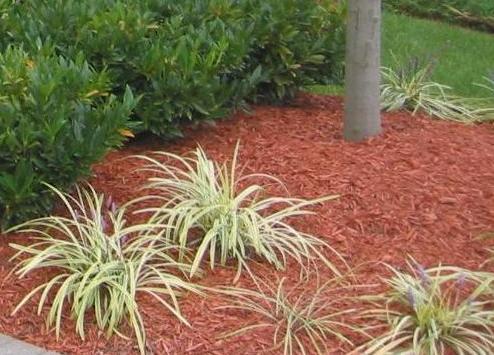
How to Mulch Garden Beds Correctly
Fifty to seventy-five millimetres, off the stems, refreshed before summer. Chip, leaf, sugarcane and gravel are different tools.
Helen Walsh · 28 March 2026