Root Rot in Pots and Garden Beds
Black, mushy roots and a plant that wilts while wet are not a thirst problem. Learn how to diagnose Phytophthora and overwatering, and when a plant is already gone.
By Maya Chen, Plant pathologist · 11 April 2026 · 6 min read
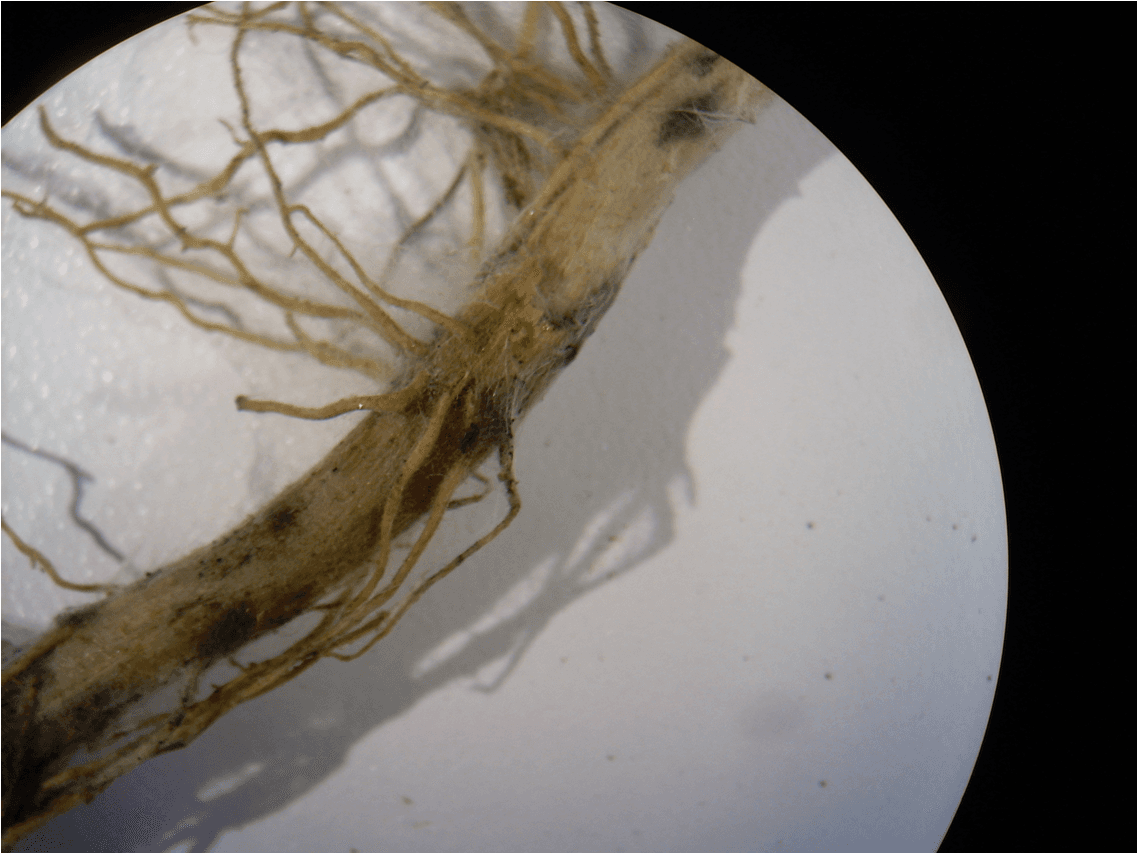
The most common way Australians kill a plant is with kindness and a saucer. The second is planting a grevillea in a wet clay hollow because the label said “native, hardy”. Root rot is the name we give to several oomycetes and fungi — Phytophthora, Pythium, Rhizoctonia — and to plain suffocation. The plant cannot drink because the roots are dead, so it looks thirsty, so we water it again.
The wilt that does not make sense
A thirsty plant recovers overnight after a drink. A rotting plant wilts in the afternoon with wet feet and does not recover. Leaves yellow from the inside. The stem base may go dark. In pots, fungus gnats write a footnote.
Tip the pot out. Healthy roots are firm, branched, and cream or tan. Rotten roots are brown-black, bark slipping, smell of swamp. If the entire ball is a sludge, the plant is a memory. If a third is still firm, you can try surgery.
Pots
Unpot. Wash away the old mix. Cut the mush back to sound tissue with clean secateurs. Repot into a fresh, chunky mix that matches the plant — open bark for orchids and many natives, a quality potting mix for ordinary shrubs. The pot needs a hole. The saucer needs to be emptied. Decorative cachepots without drainage are indoor plant coffins; see indoor care.
Do not reuse the old mix on another plant. Do not “just add gravel” to the bottom of a pot and call it drainage; it raises a perched water table.
Water when the mix is dry at a finger’s depth, not when the calendar says Thursday.
Garden beds
Phytophthora cinnamomi is a serious Australian pathogen of natives and orchard trees. It moves in water and in mud on boots and machines. You will not sterilise a suburban block with a bottle. You will:
- lift the bed or choose plants that tolerate wet feet
- stop the downpipe dumping into the root zone
- keep irrigation off the trunk
- avoid moving soil from a dying patch to a healthy one
- use phosphonate products where they are labelled and sensible, as a suppressant, not a resurrection
Grevilleas, many banksias and a lot of imported “drought hardy” shrubs die in summer after a wet spring on clay. That is not a mystery. See grevilleas and clay.
Tomatoes and other veg get Pythium and Rhizoctonia in cold, wet soil. Plant later, in warmer, raised ground. Do not compost a plant that wilted on one side and collapsed; some wilts are bacterial and stay in the bed.
Prevention
Buy plants that are not sitting in nursery puddles. Do not plant deeper than the nursery soil line. Mulch, but keep it off the collar. On slopes, plant on a small mound. On flats, raise the bed.
If a valued tree is declining, a laboratory diagnosis is cheaper than three years of guesswork. Most patio plants do not need a lab. They need a hole in the pot and a gardener who can tell wet from dry.
Root rot is almost always a water story. Change the water story. The fungus is already in Australian soils. It waits for a saucer and a clay hole.
After a death in the bed
If a valued shrub dies and the roots are ink, do not immediately plant the same genus in the hole. Improve drainage, plant something tolerant, or wait and plant on a mound. Tools that were in the hole should be cleaned if you suspect Phytophthora, especially if you also work in bushland.
Nursery bargains that are sitting in a puddle of irrigation are how rot enters a collection. Buy from benches that drain. Knock a plant out of its pot in the car park if you are spending real money. Circling brown roots are a no.
The plant you save with surgery will look worse before it looks better. That is the same deal as a brown lawn. Roots first. Leaves later.
A note from the desk
Field note: decorative pots without holes are furniture. Plants may visit. They should not live there.
Climate, soil and the long view
Australian gardens punish copied calendars. A method that works on a Melbourne clay in November can fail on a Cairns wet-season afternoon or a Perth sand in February. Keep a notebook: soil type, the week the pest arrived, the product and the active, the week the plant recovered. That notebook becomes a local almanac worth more than a national magazine spread. Share it with the next owner. Gardens are longer than our tenancies, and the useful knowledge is almost always local, modest, and written in the same Australian English we use on this desk. If a guest writer can add a climate we missed, the write for us page is open. If we got a fact wrong, use contact. The work is the garden, not the performance of certainty.
Mixes, bark and the year they die
Potting mix is not immortal. Pine bark breaks down, wetting agents expire, and a plant that was happy becomes a yellow island in a hydrophobic or soggy brick. Repot on a birthday, not on an emergency.
For natives in pots, use a well-drained native mix and a pot that looks too small to a decorator. Oversized pots stay wet in the unused volume.
In beds, a plant on a mound in clay outlives a plant in a hole that holds a lake. The mound looks odd for a month and correct for a decade.
If you must reuse a pot after a death, scrub it. The ritual is for you as much as for the pathogen. It slows the next mistake.
Keeping records, neighbours and the next season
The gardens that improve are the ones that write things down. Note the week a pest arrived, the active you used, the days until the plant looked better, and the soil under your nails — sand, loam or clay. Share the useful notes with a neighbour. A street that treats bindii in winter, nets fruit in spring, and waters deeply on rostered days outperforms any single heroic yard. The Green Doctor is written for that kind of suburb: practical, climate-honest, and willing to say when a plant is in the wrong hole. If your postcode behaves differently, send the desk a correction. We would rather update a guide than leave a reader watering a grub. The long view is a better lawn, a cleaner citrus, a native that lives, and fewer Saturday panic sprays. That view is built in seasons, not in a single product. Keep the secateurs sharp. Keep the mulch off the stems. Keep the questions specific. The rest is weather, which we do not command, and soil, which we can slowly help. Return to the relevant topic hub when the next job appears, and ignore any advice that cannot name an Australian climate. Certainty without a postcode is entertainment. This journal would rather be useful.
Questions gardeners ask
How do I know if a plant has root rot?
It wilts while the soil is wet. Roots are brown or black and smear between your fingers. Healthy roots are firm and pale.
Can root rot be reversed?
Early, yes: unpot, cut the mush, fresh mix, no saucer of water. Advanced Phytophthora in a bed is a drainage and plant-choice problem, not a weekend tonic.
Does cinnamon fix root rot?
It is a kitchen story. Sanitation, drainage and a labelled phosphonate on some ornamentals are real tools. Cinnamon is not a soil renovation.
Want to add a climate the desk missed? Pitch a guest post or send a correction.
Keep reading in plant health
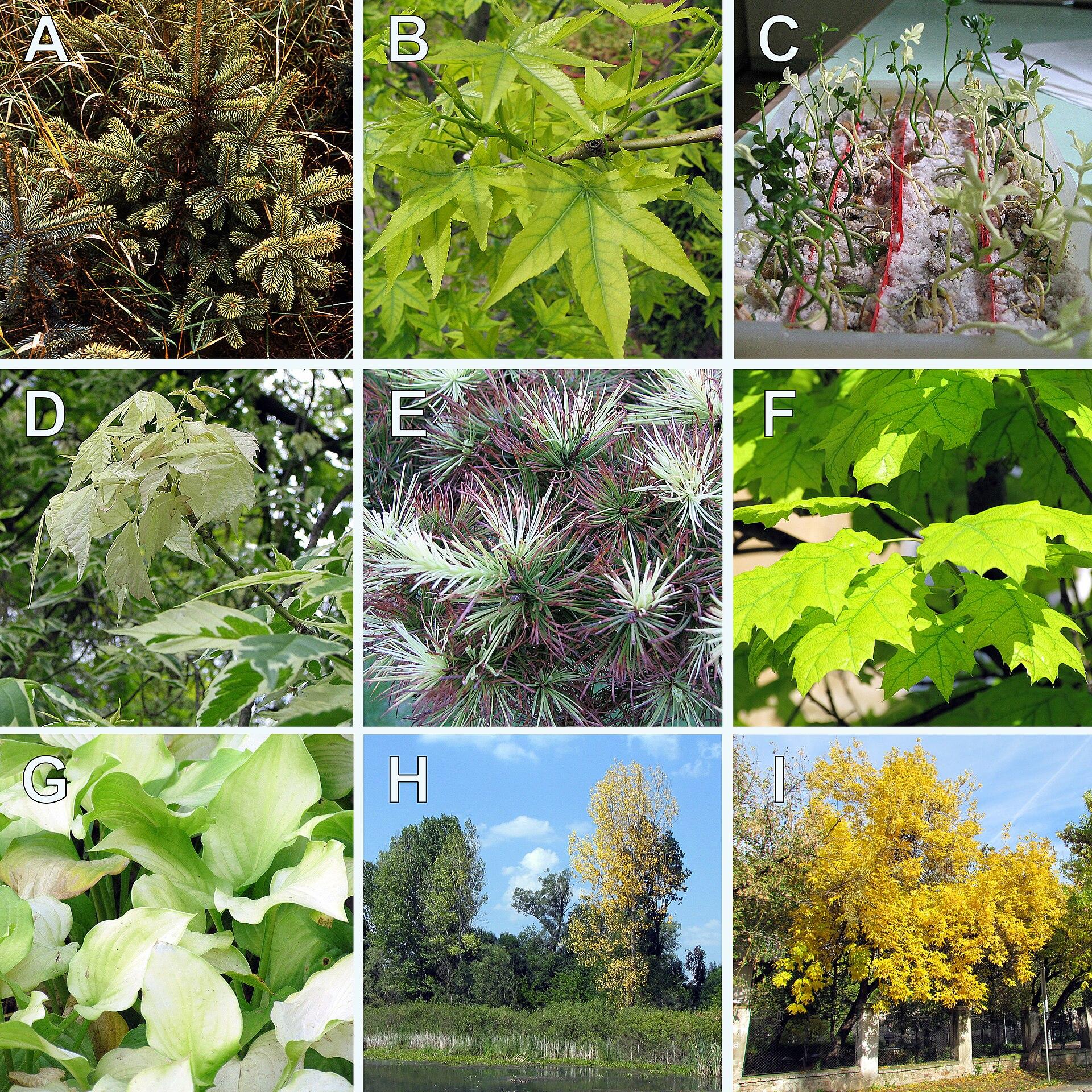
Yellow Leaves on Garden Plants: Causes and Fixes
Chlorosis is a clue. Learn to tell nitrogen hunger from iron lock-up, overwatering and salt, then fix the cause instead of drowning the plant in tonic.
Maya Chen · 5 February 2026
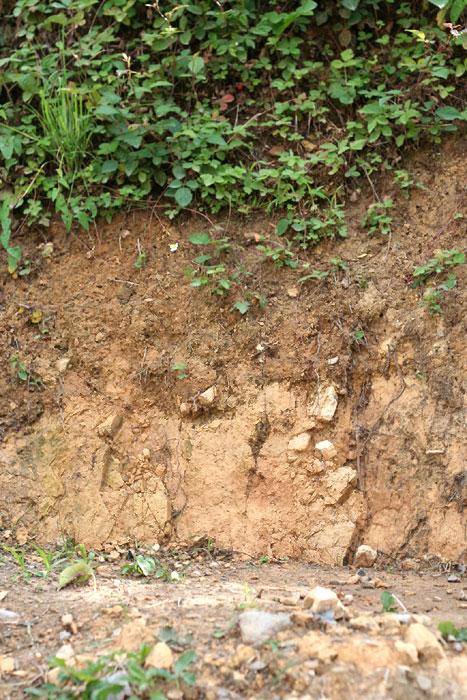
How to Improve Clay Soil in Australia
Gypsum, compost and traffic control will make clay workable. Turning it into loam in a weekend will not.
Helen Walsh · 26 January 2026
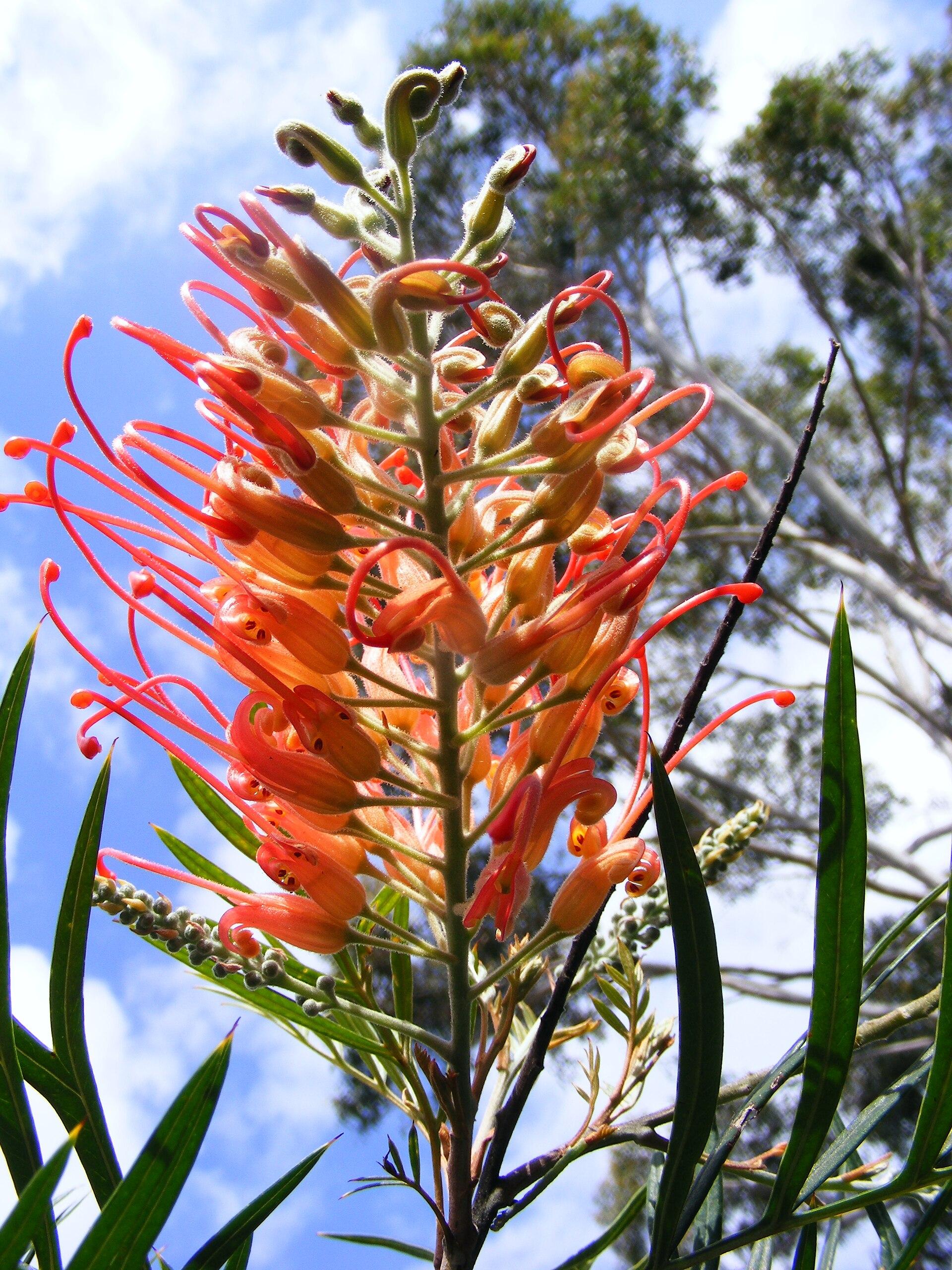
How to Grow Grevilleas
Drainage first, phosphorus second, pruning after flower. Grevilleas are not unkillable natives — they are particular shrubs with loud birds.
Priya Nair · 22 February 2026