How to Get Rid of Bindii in the Lawn
Bindii is a winter weed with a summer punch. Learn when to spray, which actives are safe on buffalo, and how to stop jo-jo coming back.
By Tom Barrett, Turf agronomist · 4 March 2026 · 6 min read
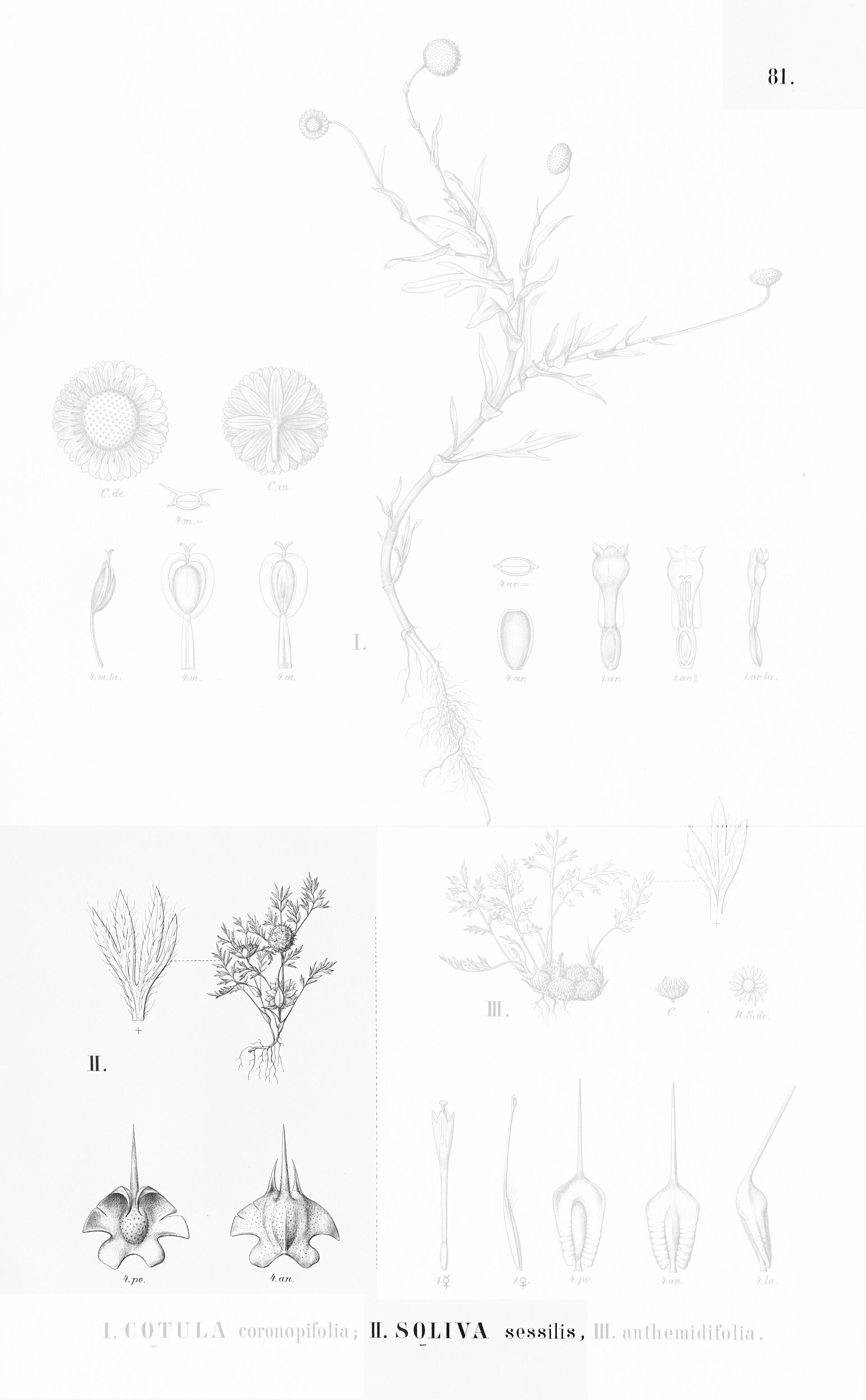
Bindii is the weed that makes Australian children hop across the backyard in November. The plant itself is a small winter annual with ferny leaves. The pain is the seed — a woody, three-cornered burr that waits in the lawn like caltrops. Gardeners meet it too late, buy a summer spray, and wonder why the prickles stay.
The plant is Soliva sessilis (often still sold in older books as Soliva pterosperma), also called jo-jo, onehunga and lawn burrweed. It germinates in cool weather, sits low under the mower, then flowers and seeds as the grass accelerates in spring. By the time you notice it with bare feet, the seed is already in the mower catcher, the dog’s coat and next year’s soil.
Identify it before the flowers
In June and July look for low, carrot-like rosettes in thin or compacted lawn. The leaves are finely divided. The flowers are small and yellow-green, not a showy daisy. If you wait until the burrs are hard, you are managing seed, not a living weed.
People confuse bindii with clover, cat’s ear and lawn pennywort. Clover has trifoliate leaves and is a different spray conversation. Cat’s ear is a dandelion cousin with a taproot. Bindii is the one that punishes a picnic.
A thick, well-fed lawn is the least hospitable place for it. Bindii colonises bare patches, compacted clay, and the worn strip beside the path. That is why a bottle alone never finishes the job.
Timing is the whole game
Spray or hand-weed in winter. In temperate southern Australia the window is roughly June to late August. In warmer coastal NSW it starts earlier. In the subtropics the “winter” window is shorter and you have to watch the calendar, not a memory of Melbourne.
Do not mow for several days before a selective spray. The weed needs leaf area. Do not mow for several days after. Water the lawn the day before if the soil is dry, then apply to a dry leaf. Midday heat is a poor time; a cool morning is kinder to the grass.
Once prickles have formed, a herbicide can still kill the mother plant and reduce next year’s seed. It will not unscrew burrs already sitting in the thatch. Rake, vacuum, or mow and bag. Do not put a catcher of bindii seed in the compost you later spread on the same lawn.
Choose an active, not a colour on the bottle
Couch, kikuyu and most zoysias tolerate a wider set of broadleaf herbicides. Buffalo does not.
- Dicamba mixes are common in all-purpose lawn weeders. They are useful on couch and a reliable way to yellow a buffalo lawn. If the box does not say buffalo, assume it is hostile.
- Bromoxynil (often with MCPA or similar partners in buffalo-specific products) is the usual shop answer for bindii and clover in buffalo.
- Organic contact weeders such as pelargonic acid or pine-oil mixes will burn bindii and the grass they touch. They are spot tools, not lawn tools.
Read the label for withholding of children and pets, and for how many days you should stay off the lawn. Repeat applications are normal on a heavy infestation. Seven to ten days is a typical wait before you judge the first pass.
There is no tidy organic selective that removes bindii from a buffalo sward and leaves the grass untouched. Hand-weeding small patches in winter — whole rosette, not a plucked leaf — still works. A kitchen knife or a daisy grubber is faster than regret in December.
Stop it coming back
Bindii seed is opportunistic. Close the gaps.
- Repair bare patches with the same grass you already have. Mixing couch into buffalo is a long argument; see buffalo versus couch.
- Aerate compacted ground in spring. Bindii likes a hard surface. The dethatch and aerate guide covers when not to wreck a buffalo.
- Feed on a seasonal schedule so the turf outcompetes winter annuals.
- Catch clippings while bindii is seeding. Returning those clippings is how a small problem becomes a front-yard religion.
- Watch the winter rosettes every year. Five minutes in July saves a Saturday in November.
Dogs and birds move seed. So do borrowed mowers. If you share equipment with a neighbour who has a bindii paddock, blow the deck down.
Climate notes
Perth lawns on sand get bindii in thin winter growth when people stop watering and feeding because “it’s winter”. A light winter feed and a wetter can matter as much as a spray. Melbourne clay that is never aerated is a bindii farm. Brisbane’s short winter means you cannot wait until a long July weekend that never comes.
If the lawn is already a field of burrs, treat the plants, rake the seed, then plan next winter. Shame is not an agronomy. Bindii is a calendar weed. Meet it on its calendar, with a herbicide that matches the grass you actually grow, and it becomes a small winter job instead of a summer legend.
A winter walk-through you can repeat
Put bindii on the calendar next to the rose prune. In the first cool week after the winter solstice, walk the lawn with a kitchen knife. Dig the rosettes you can see. Mark the thin patches you will repair in spring. If the infestation is beyond a pleasant hour, measure the lawn, buy a buffalo-safe or couch-safe product in the right quantity, and spray on a still morning.
Keep a note of the active and the date. Next June you will not remember. If the same corner returns every year, that corner is compacted or shaded or both. Fix the corner.
Schools and parks that share your street are a seed source. You cannot spray the oval. You can keep your own sward thick enough that bindii has nowhere cheap to sit.
Bare feet in November are the audit. If the audit fails, do not curse the grass. Curse the winter you skipped. Bindii is punctual. Be punctual back.
A note from the desk
Field note: the worst bindii lawns I see are buffalo treated with a couch weeder in spring, then blamed on the grass. The grass was burned. The bindii was invited.
Questions gardeners ask
When should I spray bindii?
In winter, after the ferny leaves are up and before the yellow flowers set the prickly seed. In much of southern Australia that is June to August.
Can I use weed and feed on buffalo?
Only a buffalo-safe formulation. Dicamba products that are fine on couch will burn Stenotaphrum. Look for bromoxynil-based bindii killers labelled for buffalo.
Will bindii die after I spray?
The plant yellows in a week or two. The existing prickles do not vanish. Rake them out and prevent next year's seed bank.
Want to add a climate the desk missed? Pitch a guest post or send a correction.
Keep reading in lawn care
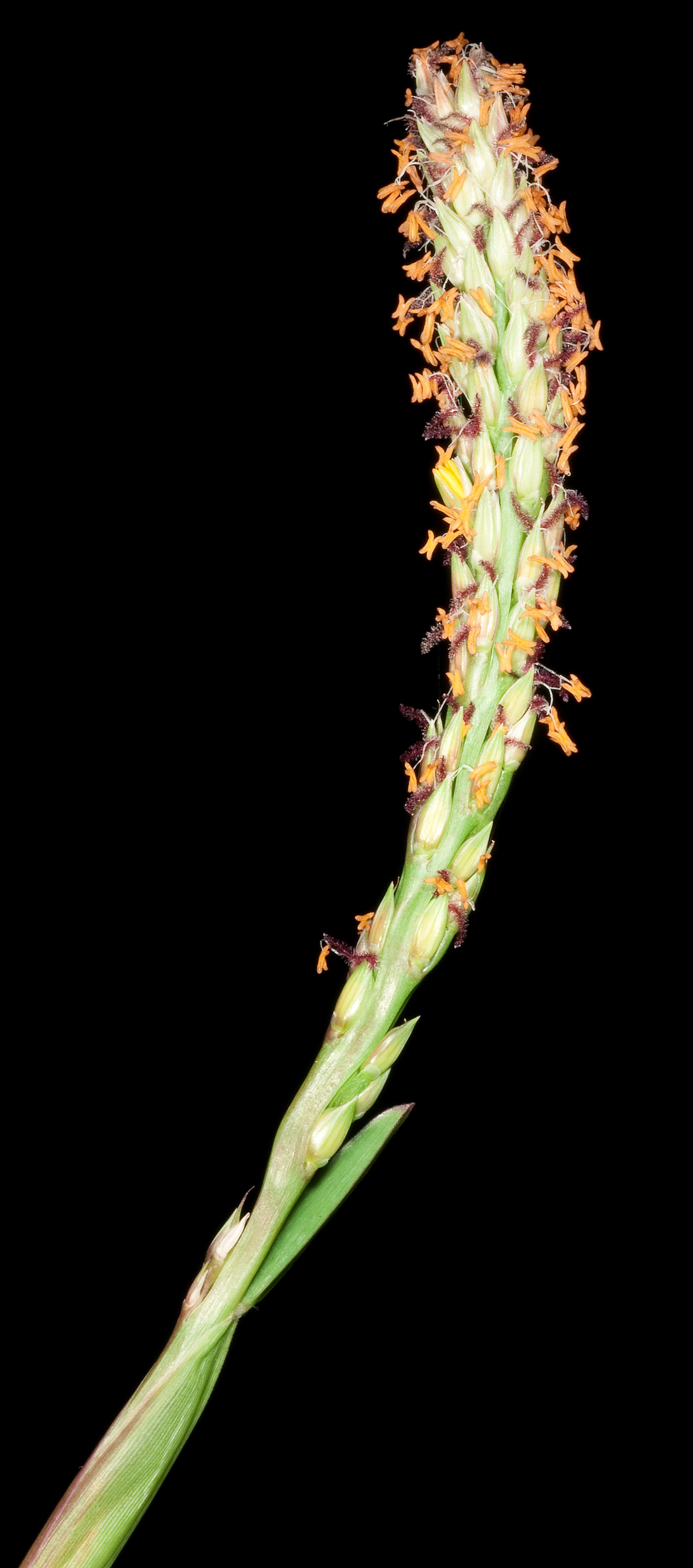
Buffalo vs Couch Grass: Which Lawn Suits Your Climate
Sir Walter, soft leaf buffalo, TifTuf and common couch are not interchangeable. Match the grass to shade, salt, water and how the family actually uses the yard.
Tom Barrett · 20 January 2026
A Lawn Fertiliser Schedule for Australian Climates
When to feed buffalo, couch and kikuyu, what NPK actually does, and why weed-and-feed is not a personality.
Tom Barrett · 2 April 2026
How to Dethatch and Aerate an Australian Lawn
Spongy couch and water-repellent buffalo need different spring treatments. Here is when to scarify, when to core, and when to leave the machine in the shed.
Tom Barrett · 18 March 2026