Lawn Grub Identification and Treatment in Australia
Armyworm, sod webworm, curl grubs and African black beetle ask for different tests and different products. Identify the insect before you treat the lawn.
By Tom Barrett, Turf agronomist · 8 January 2026 · 6 min read
“Lawn grub” is a hardware-aisle word that covers several insects with different mouths and different calendars. Treat the wrong one and you will water a chemical into a drought patch, or miss the caterpillars that stripped the buffalo overnight.
The pests Australian home lawns actually meet are lawn armyworm, sod webworm, curl grubs (scarab larvae, including African black beetle Heteronychus arator), and sometimes billbugs. Birds, moths and brown patches are clues. The insect in the hand is the diagnosis.
Armyworm and sod webworm
These are caterpillars. They chew leaf. A lawn can go from tired to harvested in a night, especially in humid weather after a moth flight. Armyworm is infamous in the subtropics and on the east coast in late summer. Sod webworm is a quieter cousin that still leaves ragged, thinning turf.
Look for chewed grass, green pellets of frass, and moths at dusk. Do the soap test: a teaspoon of mild detergent in a watering can, applied to a square metre at the edge of damage in the evening. Caterpillars often surface within ten minutes. That test is poor for curl grubs, which stay in the soil.
Curl grubs and African black beetle
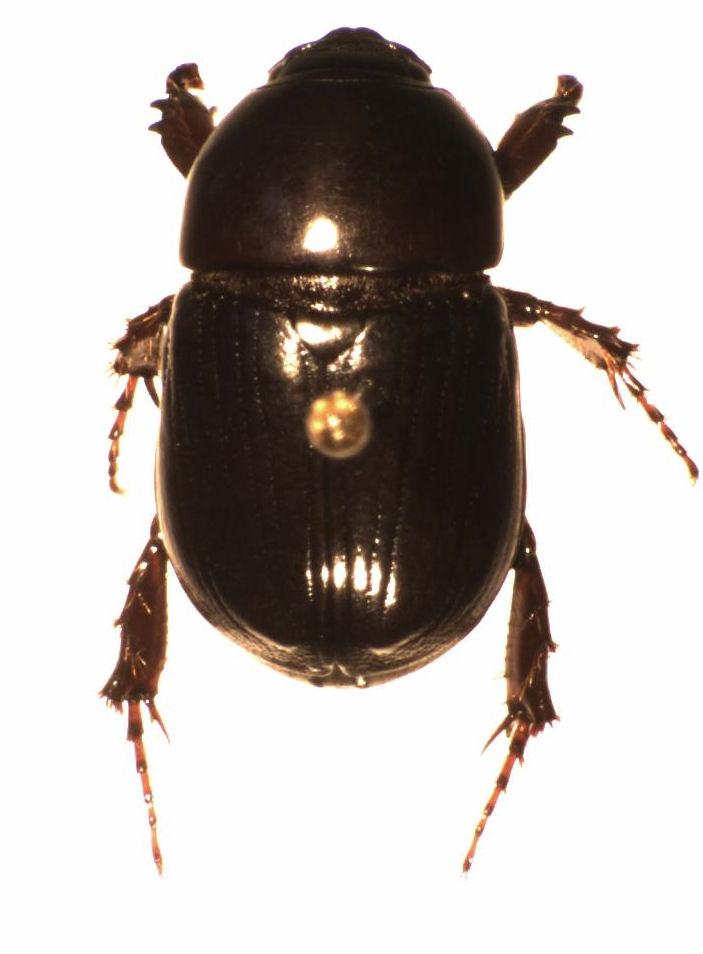
These are C-shaped, cream larvae with brown heads living in the root zone. They prune roots. The turf loosens and rolls back like poorly laid carpet. Adult beetles are the shiny black “lawn beetle” that bangs into the porch light. The adult chews some stems; the larva does the real damage.
Lift a square of turf. If you find more than a handful of large grubs in that square, treatment is justified. A few small larvae in a healthy lawn are food for ibis and not a crisis.
Billbug larvae are legless and work inside stems as well as roots. Damage can look like drought in stripes. If the soap test is negative and the turf still lifts, look closely at the thatch and stems.
Treatment that matches the insect
Preventive, long-residual products based on chlorantraniliprole (the Acelepryn chemistry sold under several home brands) are the current standard for armyworm and curl grubs in Australian home lawns. They are kinder to many non-target animals than older pyrethroids, and they need water to move into the profile. Apply to a lawn you can irrigate. One well-timed application can cover a season; read the label for interval and turf type.
Knock-down sprays (often bifenthrin or similar) have a place when caterpillars are chewing now and you need them to stop tonight. They are harder on beneficial insects and fish. Keep them out of drains. Repeat may be needed because eggs keep hatching.
Neem and biologicals can suppress early caterpillar pressure. They will not rescue a lawn that is already a brown rug of armyworm. They are a poor match for deep curl grubs.
Always water in what the label says to water in. A dry application sitting in thatch is a waste and a risk to pets who walk through dust.
After treatment, repair is the same as any brown lawn: rake the loose dead leaf, water the roots, hold the fertiliser until green returns, then mow high. See Lawn Solutions-style recovery advice in local practice — feed after recovery, not as a substitute for an insecticide you have not justified.
Prevention without living on spray
Thatch is a motel for caterpillars. A spring dethatch on couch that has gone spongy reduces hiding places. Mow often enough that you never take more than a third of the leaf. Night lights over the lawn attract moths; that is not a reason to floodlight the backyard.
A healthy, deep-rooted lawn survives a light grub year. A lawn on hydrophobic sand that is sprinkled nightly does not. Fix watering and you will spray less.
In the tropics and subtropics, watch for moths after summer storms. In southern Australia, late-summer beetle flights are the curl-grub warning. In Perth, sand and heat make root damage show faster.
Do not treat “because the neighbour did”. Count insects, name them, then choose an active. Bring a dead specimen in a jar to a nursery if you cannot tell a caterpillar from a curl grub. The wrong product is how lawns stay brown while the real pest finishes the job.
A worked example
A Sydney buffalo in late February goes pale in irregular patches overnight. Birds are on it at 6 am. The owner waters. It browns further. They fertilise. It sits. They lift a corner: no curl grubs, plenty of green frass, and a soap drench brings up armyworm as thick as rice.
The treatment is a labelled caterpillar product, watered as directed, then patience. The fertiliser was a waste. The water after the insecticide is not. In ten days the remaining crowns push leaf. In four weeks the lawn is uneven but living. Next year they apply a preventive chlorantraniliprole in early summer and they watch the moths after storms instead of the hardware aisle after the damage.
That sequence — look, name, treat, repair — is the whole of grub work. Everything else is a brand.
A note from the desk
Field note: ibis on a lawn are a clue, not a prescription. Confirm the insect. Birds also like worms after rain.
Climate, soil and the long view
Australian gardens punish copied calendars. A method that works on a Melbourne clay in November can fail on a Cairns wet-season afternoon or a Perth sand in February. Keep a notebook: soil type, the week the pest arrived, the product and the active, the week the plant recovered. That notebook becomes a local almanac worth more than a national magazine spread. Share it with the next owner. Gardens are longer than our tenancies, and the useful knowledge is almost always local, modest, and written in the same Australian English we use on this desk. If a guest writer can add a climate we missed, the write for us page is open. If we got a fact wrong, use contact. The work is the garden, not the performance of certainty.
Questions gardeners ask
How do I know if I have lawn grubs?
Lift turf at the edge of a brown patch. C-shaped cream larvae are curl grubs. A soap drench at dusk brings armyworm and sod webworm to the surface. Birds working the lawn at twilight are a hint, not proof.
What kills lawn grubs in Australia?
Products with chlorantraniliprole are the usual modern choice for armyworm and curl grubs. They must be watered in. Fast knock-down sprays may need a repeat because of overlapping life stages.
When do lawn grubs appear?
Armyworm and webworm peak in the warm months, often after rain and moth flights. African black beetle larvae are a late-summer to autumn problem in many districts.
Want to add a climate the desk missed? Pitch a guest post or send a correction.
Keep reading in lawn care
How to Fix a Brown Lawn in Australia
Brown turf is a symptom. This guide shows how to tell drought, grubs, fungus and fertiliser burn apart, then repair an Australian lawn without wasting water.
Tom Barrett · 12 February 2026
How Often Should You Water an Australian Lawn
Deep, infrequent watering beats a nightly sprinkle. Set a schedule for sand, clay and restrictions, and learn the signs you are watering the thatch.
Tom Barrett · 28 February 2026
Lawn Fungus and Fairy Rings in Australia
Smoke-coloured mycelium, toadstools in a ring, and greasy spots after humidity are not always the same disease. Diagnose before you buy a fungicide.
Maya Chen · 20 April 2026