Lawn Fungus and Fairy Rings in Australia
Smoke-coloured mycelium, toadstools in a ring, and greasy spots after humidity are not always the same disease. Diagnose before you buy a fungicide.
By Maya Chen, Plant pathologist · 20 April 2026 · 6 min read
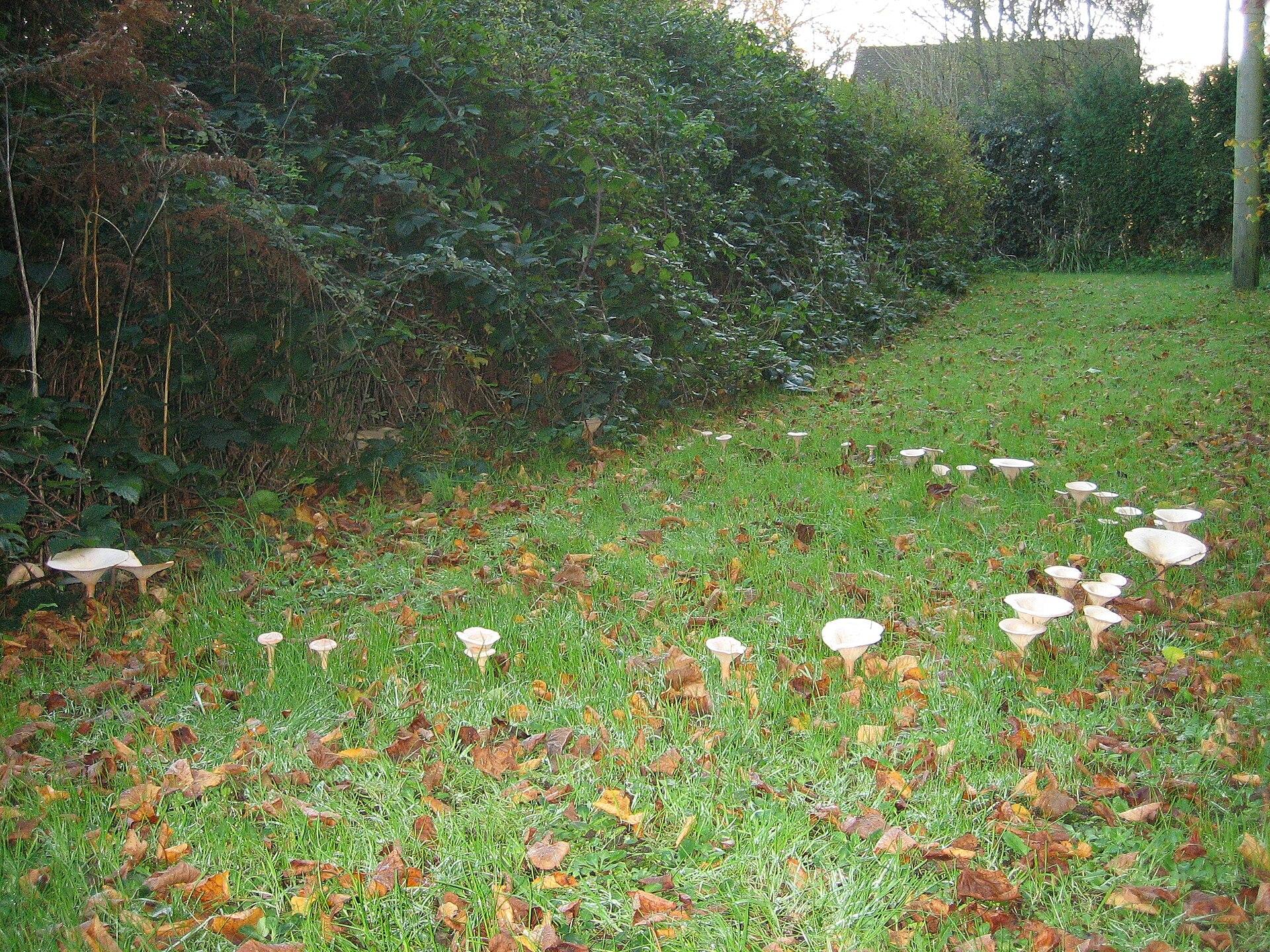
Not every brown patch is a grub and not every toadstool is a crisis. Australian lawns grow fungi because we irrigate, we build thatch, and our summers are humid enough to steam a couch. The job is to tell a cosmetic fairy ring from a leaf disease that will run through a buffalo in a week.
Fairy rings
A fairy ring is a soil fungus eating buried organic matter — an old stump, a construction plank, decades of thatch. You see a dark green circle (the fungus releasing nitrogen), a dead circle (hydrophobic soil in the zone), or a ring of mushrooms after rain.
Treatment is unromantic. Core aerate the ring, apply a soil wetter, water deeply, and keep the lawn even with a modest feed so the dark ring does not shout. Some people try to dig the ring out. They usually miss the mycelium and create a worse bare patch. Fungicides labelled for fairy ring exist for turf managers; home owners rarely need them if they will aerate and wet the soil.
Remove mushrooms for safety. Teach children they are not a snack. Identify nothing from a phone photo if you intend to eat it.
Leaf and thatch diseases
Warm, wet, still nights produce leaf spots, “greasy” patches and smoke-coloured mycelium you can see at dawn. Dollar spot, brown patch and various Rhizoctonia problems appear in Australian coaching notes under different brand names. The home diagnosis is coarser: does the leaf have lesions, does the turf smell sour, did you water last night, is the thatch a mattress?
Culture is the first fungicide. Water at dawn, not dusk. Water deep, not daily. Raise the mower. Reduce thatch on couch; see dethatch. Do not dump nitrogen on a humid week.
If a disease is running through a new summer lawn, a labelled turf fungicide can be justified. Read the grass type. Apply as directed. One product will not cover every Latin name you find at 1 am.
Do not confuse with
- Grubs. Turf lifts. Birds stitch. See lawn grubs.
- Drought. Soil dry at 50 mm. See brown lawn.
- Dog urine. A green ring with a yellow centre, near the gate, in a useful size. Water to dilute. Do not blame fairies.
- Fuel or fertiliser spill. A shape that matches a can.
Fungus is part of a living lawn. A few mushrooms after Easter rain are a season. A greasy, collapsing couch after nightly irrigation is a management error with a Latin alibi. Change the water and the thatch. Then, if the leaf is still dying, buy a fungicide with a name on the label that matches the symptom, not a hope.
Living with a ring
Some fairy rings are twenty years old and a metre wider every season. You can live with a dark green circle. You can aerate and wet it so the dead band does not appear. You cannot wish it into a different yard.
If mushrooms fruit in the same place after rain, teach the household. A dog that eats unknown toadstools is an emergency. The fungus in the soil is not.
Night watering remains the amateur way to grow leaf disease. Change that before you change the bottle. If the lawn still collapses in greasy patches after you have fixed water and thatch, then a fungicide has a job. Until then, the fungus is commenting on your irrigation.
A note from the desk
Field note: mushrooms after an autumn break are a season. Greasy collapse after nightly watering is a decision.
Climate, soil and the long view
Australian gardens punish copied calendars. A method that works on a Melbourne clay in November can fail on a Cairns wet-season afternoon or a Perth sand in February. Keep a notebook: soil type, the week the pest arrived, the product and the active, the week the plant recovered. That notebook becomes a local almanac worth more than a national magazine spread. Share it with the next owner. Gardens are longer than our tenancies, and the useful knowledge is almost always local, modest, and written in the same Australian English we use on this desk. If a guest writer can add a climate we missed, the write for us page is open. If we got a fact wrong, use contact. The work is the garden, not the performance of certainty.
When to call a professional
A sports field or a body corporate lawn with a spreading greasy collapse may justify a turf manager and a labelled fungicide programme. A home buffalo with nightly irrigation needs a controller change more than a contractor.
If mushrooms appear and a child is sick, that is a medical call, not a garden one. Keep unknown fungi out of mouths. Identification for eating is a club and a careful book, not a casual app.
Live with the green ring. Fix the wet night. Name the patch before you spray. That is the home programme.
Keeping records, neighbours and the next season
The gardens that improve are the ones that write things down. Note the week a pest arrived, the active you used, the days until the plant looked better, and the soil under your nails — sand, loam or clay. Share the useful notes with a neighbour. A street that treats bindii in winter, nets fruit in spring, and waters deeply on rostered days outperforms any single heroic yard. The Green Doctor is written for that kind of suburb: practical, climate-honest, and willing to say when a plant is in the wrong hole. If your postcode behaves differently, send the desk a correction. We would rather update a guide than leave a reader watering a grub. The long view is a better lawn, a cleaner citrus, a native that lives, and fewer Saturday panic sprays. That view is built in seasons, not in a single product. Keep the secateurs sharp. Keep the mulch off the stems. Keep the questions specific. The rest is weather, which we do not command, and soil, which we can slowly help. Return to the relevant topic hub when the next job appears, and ignore any advice that cannot name an Australian climate. Certainty without a postcode is entertainment. This journal would rather be useful.
Questions gardeners ask
What is a fairy ring in the lawn?
A circle of dark green grass, dead grass, or mushrooms where a soil fungus is feeding on old organic matter. The ring can expand for years.
Should I pick the mushrooms?
Pick them if children or dogs might eat them. Removing toadstools does not kill the fungus in the soil.
Does extra fertiliser hide a fairy ring?
A nitrogen feed can mask the dark-green ring for a while. It does not remove the fungus and can worsen thatch diseases.
Want to add a climate the desk missed? Pitch a guest post or send a correction.
Keep reading in plant health
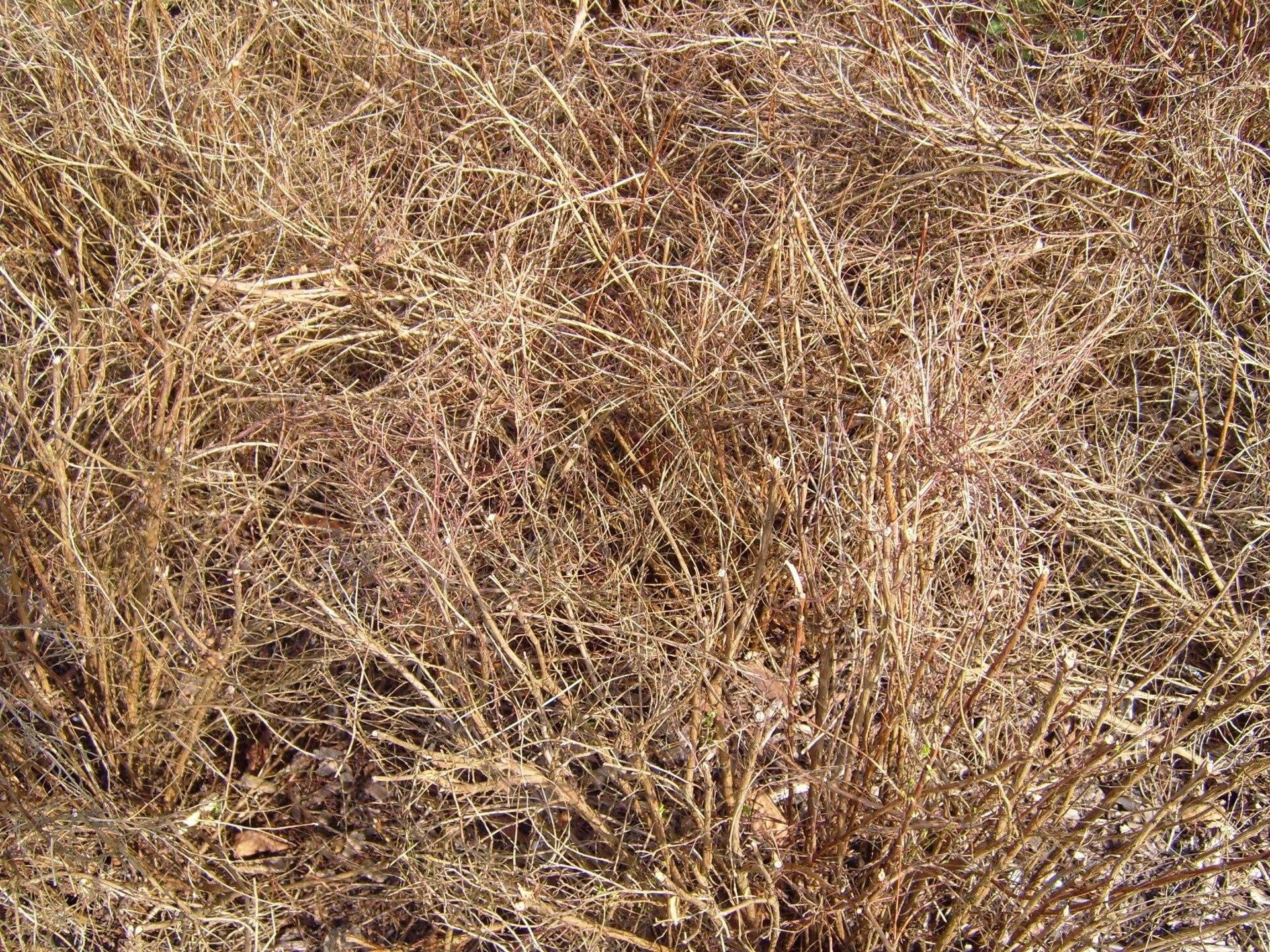
How to Fix a Brown Lawn in Australia
Brown turf is a symptom. This guide shows how to tell drought, grubs, fungus and fertiliser burn apart, then repair an Australian lawn without wasting water.
Tom Barrett · 12 February 2026
How Often Should You Water an Australian Lawn
Deep, infrequent watering beats a nightly sprinkle. Set a schedule for sand, clay and restrictions, and learn the signs you are watering the thatch.
Tom Barrett · 28 February 2026
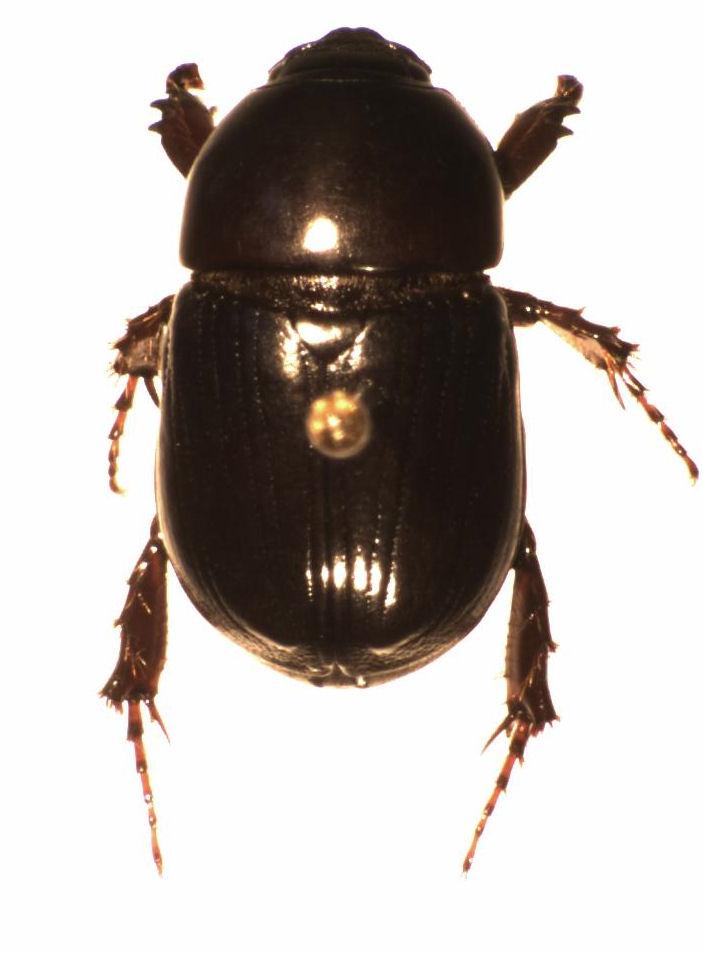
Lawn Grub Identification and Treatment in Australia
Armyworm, sod webworm, curl grubs and African black beetle ask for different tests and different products. Identify the insect before you treat the lawn.
Tom Barrett · 8 January 2026